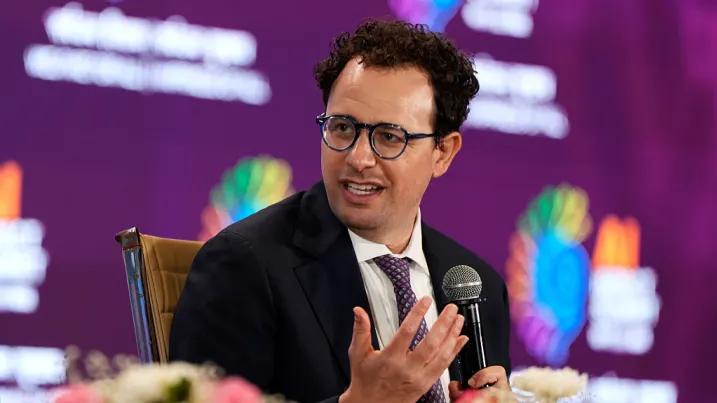
Anthropic CEO Dario Amodei has moved to clear up growing confusion over his company’s position on open-weight artificial intelligence models, stressing that Anthropic is not calling for a ban on the technology. His remarks come after criticism from parts of the AI industry suggested the company was trying to discourage open AI development while protecting its own commercial interests.
The debate intensified after more than two dozen technology companies—including Nvidia, Microsoft, Meta and OpenAI—signed a public letter urging U.S. policymakers not to impose restrictions on open-weight AI models. Anthropic chose not to sign the letter, leading many to speculate that the company favoured stricter limits on open AI systems.
In a detailed blog post, Amodei rejected those claims. He said Anthropic has never advocated banning open-weight models and believes that many open models without dangerous capabilities are beneficial to researchers, developers and the broader public. According to him, open AI can continue to drive innovation when released responsibly.
However, Amodei argued that the conversation should focus less on whether AI models are open or closed and more on the risks posed by the most advanced systems. Instead of broad restrictions, he believes governments should regulate the key areas that determine AI power, including advanced semiconductor chips, model distillation techniques that allow competitors to replicate frontier models, and rigorous safety evaluations before highly capable systems are deployed.
He also challenged the idea that making powerful AI models openly available automatically improves security. While supporters of open-weight AI argue that wider access allows more researchers to identify vulnerabilities and strengthen defences, Amodei warned that unrestricted access could also benefit malicious actors seeking to exploit advanced AI for cyberattacks or other harmful purposes. He said policymakers should weigh both the benefits and the risks rather than assume openness is always the safest path.
The discussion has become increasingly important as Chinese AI companies continue releasing highly capable open-weight models, intensifying global competition. At the same time, U.S. officials are examining how to protect advanced AI technology and prevent intellectual property from being copied through model distillation. These developments have placed the issue of open AI at the centre of national security and technology policy debates.
Amodei’s comments reflect Anthropic’s attempt to strike a middle ground. Rather than supporting blanket bans or unrestricted releases, the company is advocating targeted safeguards that focus on preventing the misuse of the most powerful AI systems while allowing less capable open models to continue benefiting researchers and developers.
The disagreement also highlights a broader divide within the AI industry. Many leading technology companies believe open-weight models accelerate innovation, competition and transparency. Anthropic, meanwhile, agrees that open models have value but argues that frontier AI requires stronger oversight because of its potential to create significant security risks if released without appropriate safeguards.
As governments around the world develop new AI regulations, the debate over openness versus safety is expected to remain one of the defining issues shaping the future of artificial intelligence. Amodei’s latest clarification makes it clear that Anthropic is not seeking to outlaw open AI models, but instead wants policymakers to concentrate on targeted regulations that address the technologies and practices posing the greatest risks.