Gamers Call for Boycott as Sony Pushes Toward a Digital-Only Future
PlayStation players are staging a “PSBlackout” protest over Sony’s reported plan to end physical game disc production, raising concerns about digital ownership and game preservation.

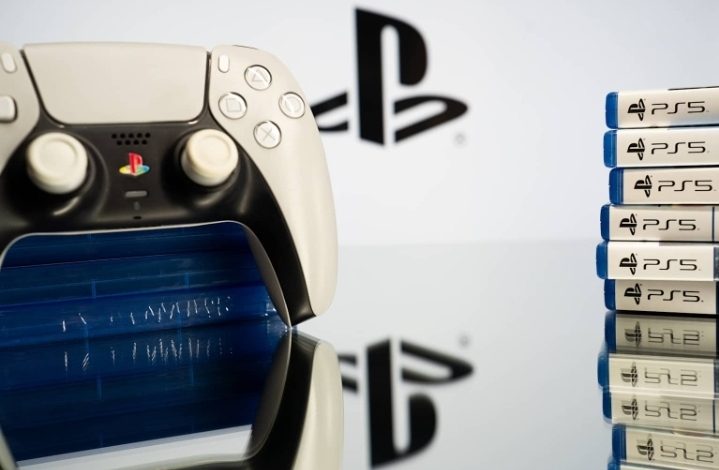
A growing number of PlayStation gamers are calling for a boycott of Sony through a campaign known as #PSBlackout. The protest was organized in response to reports that Sony plans to move away from physical game discs and end their production and sale for future PlayStation releases by 2028. Participants were encouraged to avoid logging into PlayStation services, playing games or making purchases during the protest period.
The biggest concern among players is the question of ownership. Physical games can generally be kept, resold, shared or collected, while digital games are typically provided under licensing agreements. This issue became even more controversial after PlayStation users reportedly received reminders that digital software is licensed rather than permanently sold to them.
Supporters of the boycott argue that an all-digital future could create problems for game preservation. If digital stores eventually close or licenses expire, players could potentially lose access to games they purchased. Physical discs, despite their limitations in the modern gaming industry, are viewed by many collectors and preservation advocates as an important way to maintain long-term access to games.
The #PSBlackout campaign reportedly ran from August 23 to August 30, encouraging PlayStation owners to temporarily stay offline and avoid spending money on Sony’s gaming ecosystem. However, the movement has also faced skepticism, with some gamers questioning whether a short-term boycott without widespread participation could have a meaningful financial impact on a company as large as Sony.
Regardless of its immediate impact, the protest highlights a larger debate affecting the entire gaming industry. As games become increasingly digital, consumers are asking whether convenience is coming at the cost of ownership and preservation. The backlash against Sony shows that many gamers still want physical media to remain an option rather than seeing the industry move completely toward digital-only platforms.