SK Hynix CEO Says Global Memory Chip Shortage Could Last Until 2030
Surging demand from artificial intelligence data centers is expected to keep pressure on global memory supplies for years, despite billions of dollars in new semiconductor investments.

SK Hynix Chief Executive Kwak Noh-jung has warned that the global shortage of memory chips could continue through the end of 2030. Speaking as the company expands its manufacturing capacity, the CEO said he was not seeing significant signs of a downturn in memory demand, particularly as artificial intelligence companies continue building massive data centers.
The growing demand is being driven largely by high-bandwidth memory (HBM), a specialized type of memory essential for advanced AI processors and data-center systems. Companies such as Nvidia, Microsoft and Google require increasingly powerful computing infrastructure, placing enormous pressure on manufacturers including SK Hynix, Samsung and Micron. SK Hynix currently holds a leading position in the global HBM market.
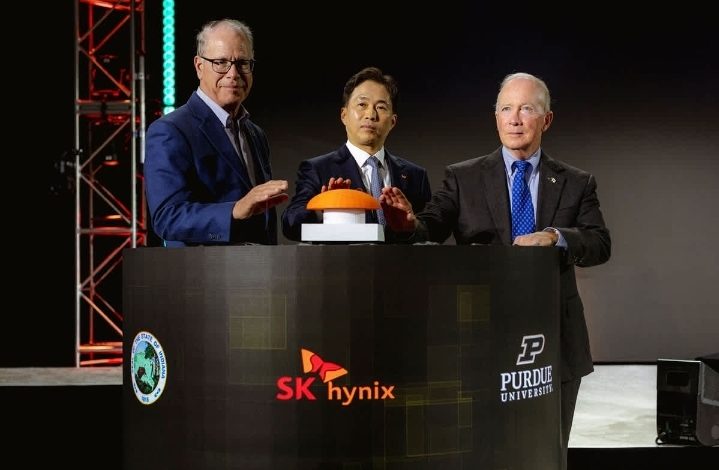
To respond to the expected demand, SK Hynix has begun construction of a $4 billion advanced packaging facility in Indiana, United States. The company plans to begin mass production of next-generation HBM4E products at the facility in 2029. The project will also include research and development capabilities focused on advanced AI semiconductor technologies.
Despite these investments, the company believes new manufacturing capacity may still struggle to catch up with demand. Building semiconductor factories takes years and requires highly specialized equipment, while AI companies are expanding their computing infrastructure at an unprecedented pace. This imbalance between rapidly growing demand and slower supply expansion is expected to keep memory prices under pressure.
The warning from SK Hynix highlights how the AI boom is reshaping the global semiconductor industry. Memory chips, once considered a highly cyclical part of the technology market, have become strategically important for artificial intelligence infrastructure. If demand continues at its current pace, the shortage could affect not only AI data centers but also smartphones, computers and other consumer electronics that depend on traditional memory chips.