JPMorgan Leads $5 Billion Debt Package for Volta’s AI Data Centre Expansion
The major financing effort would help Volta Infra Holdings build AI-focused data centres as demand for computing power continues to drive massive infrastructure investment.

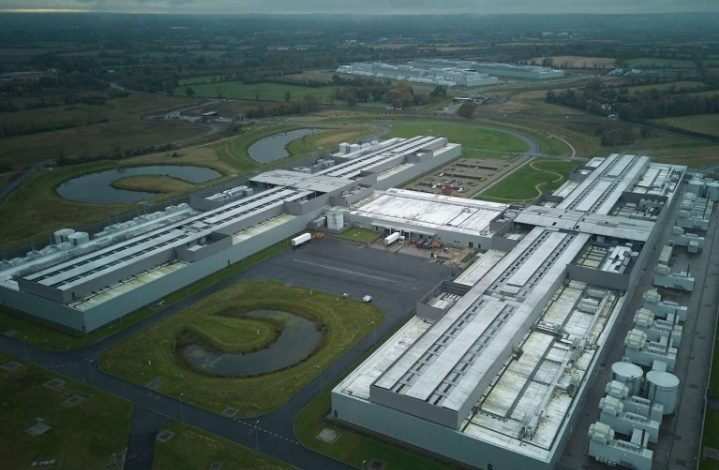
JPMorgan Chase has reportedly begun approaching potential lenders for a $5 billion debt package to support Volta Infra Holdings’ expansion of artificial intelligence data centres. The financing reflects the rapidly growing demand for computing infrastructure as AI companies require increasingly powerful systems to train and operate advanced models.
Volta is a relatively new infrastructure company founded by former Brookfield executives Ricard Boada and Sofia Gumuzio. Despite its young age, the company has moved quickly into the AI infrastructure market and recently raised $300 million at a valuation of approximately $2.4 billion, with backing from major technology and investment firms.
A major part of Volta’s expansion strategy involves providing large-scale computing capacity to AI companies. The company has reportedly secured a major agreement with Anthropic involving billions of dollars in computing capacity. One of its important projects is connected to a data-centre campus in Tydal, Norway, where access to renewable hydropower could help support energy-intensive AI infrastructure.
The proposed debt package highlights the enormous amount of money now flowing into AI infrastructure. Building modern data centres requires substantial investment in land, electricity, cooling systems, networking equipment and advanced processors. As technology companies race to increase computing capacity, banks and private investors are becoming increasingly important in financing the global AI expansion.
However, the rapid growth of AI-related debt also raises questions about financial risk. Investors are increasingly examining whether the enormous infrastructure spending can generate enough long-term revenue to justify the borrowing. For Volta, securing a $5 billion financing package would represent a major step in its expansion and another sign that the AI race is becoming as much an infrastructure and financing competition as a technology competition.