UCLA Studies Reveal How the Developing Brain Takes Its Instructions
Researchers Discover That Nutrient Processing and Signals From the Thalamus Help Guide the Formation of Human Brain Cells

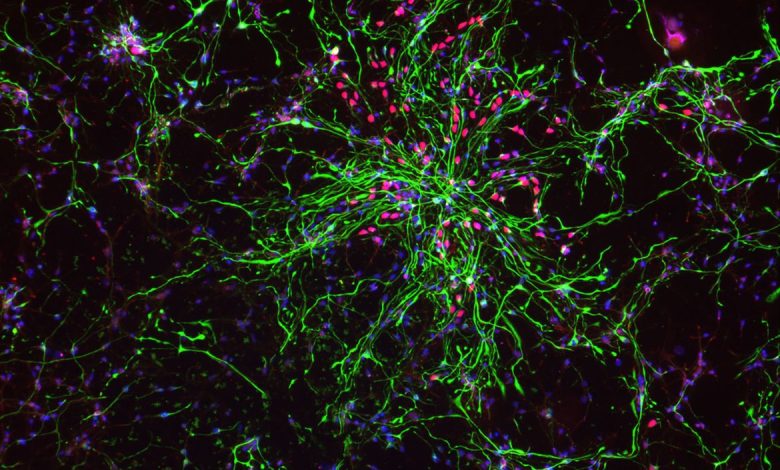
Scientists at the University of California, Los Angeles have uncovered new clues about how the developing human brain determines which types of cells it will produce. In two studies published in Cell and Science, UCLA researchers examined radial glia, specialized stem cells that generate many of the cells forming the cerebral cortex.
The researchers used a combination of laboratory-grown brain organoids, donated human tissue and fused cellular models known as assembloids. These approaches allowed them to study how radial glia respond to their surroundings during development and how those signals influence their decisions about which types of brain cells to produce.
One of the studies found that the way radial glia process nutrients can influence the types of neurons they generate. This suggests that metabolism is not simply providing energy for developing brain cells; it can also act as an important signal that helps determine their developmental path.
The second study identified a role for the thalamus, a brain region that physically connects with developing cortical cells. Researchers found that signals from the thalamus can encourage radial glia to produce more of certain upper-layer neurons, which are particularly expanded in the human cerebral cortex. Together, the findings suggest that both the chemical environment and physical connections around developing stem cells actively shape brain development.
The researchers say the findings could improve understanding of how the human cerebral cortex is built and why developmental processes sometimes go wrong. By identifying the environmental signals that influence brain-cell production, scientists may gain new insight into neurological and neurodevelopmental conditions and, potentially, future approaches to studying diseases involving abnormal cell development.