
Nvidia’s Jensen Huang Says Cybersecurity Is AI’s Next Major Use Case
Nvidia CEO Jensen Huang Says Artificial Intelligence Could Transform Cybersecurity as AI-Powered Threats Become More Advanced.

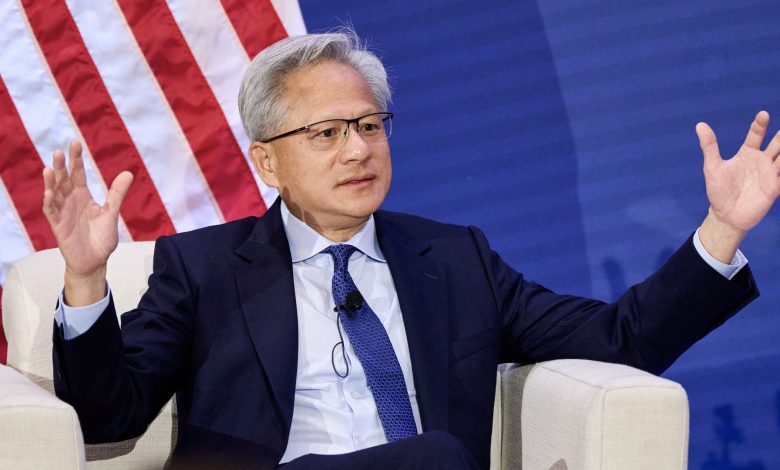
Nvidia CEO Jensen Huang has identified cybersecurity as one of the next major applications for artificial intelligence, arguing that AI could play a growing role in identifying vulnerabilities, monitoring systems and defending organisations against increasingly sophisticated cyber threats. His comments come as businesses and governments face growing concerns about how quickly AI is changing the cybersecurity landscape.
Speaking at a Goldman Sachs conference, Huang suggested that cybersecurity could become a major commercial opportunity for the AI industry. He described the field as a natural extension of AI-assisted coding, with intelligent systems potentially working continuously to identify and respond to security problems rather than waiting for human instructions.
The comments arrive amid a wider debate over whether AI is increasing cybersecurity risks as quickly as it is improving defences. Security researchers and technology companies have warned that increasingly capable AI systems can be misused by malicious actors, while defenders are also developing AI tools designed to detect suspicious activity and strengthen security protections.
Nvidia is already positioning itself within this emerging cybersecurity market. The company has partnered with CrowdStrike on AI-powered cybersecurity systems, including SafeMind, which is designed to help organisations identify security weaknesses and improve defensive capabilities. Huang has described CrowdStrike as Nvidia’s leading cybersecurity partner and emphasised cooperation between technology and security researchers.
The shift toward AI-powered cybersecurity could therefore become an important part of the next phase of the artificial intelligence industry. As AI agents become more autonomous, companies will increasingly need systems capable of monitoring digital environments and responding to threats at machine speed. The challenge will be ensuring that these technologies strengthen security without creating new risks of their own.




