
Meta Admits Its Hit AI App Has Security Problems
Meta has acknowledged a security issue affecting its new AI assistant Muse after researchers found a vulnerability that could allow attackers with local access to manipulate the application.

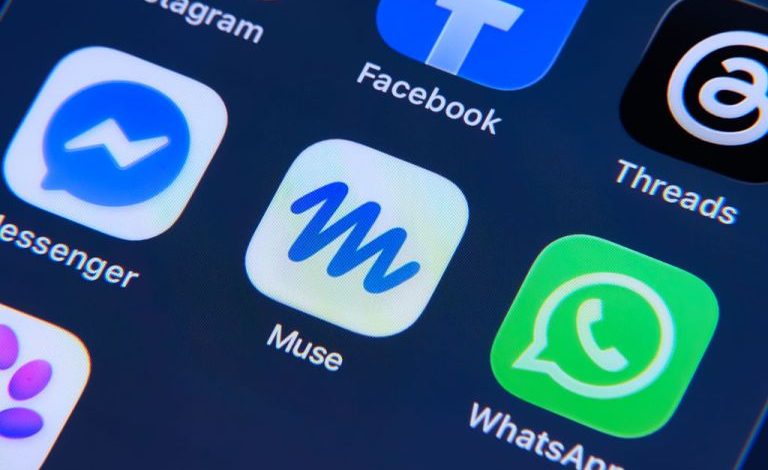
Meta has acknowledged a security vulnerability affecting Muse, its recently launched AI assistant, adding to growing scrutiny surrounding the company’s rapid expansion into AI-powered personal assistants. The vulnerability was identified in the macOS version of Muse and could allow an attacker who already had access to a user’s computer to interfere with the application’s transcription process and redirect it to a malicious destination. Meta has since released a fix for the problem.
According to security researcher Patrick Wardle, the flaw involved the way Muse handled transcription outside the user’s device. Other applications on the computer could also access certain undocumented settings, creating an opportunity for the vulnerability to be exploited. In a demonstration, the researcher showed that a compromised Muse installation could potentially be manipulated into carrying out actions without the user’s awareness.
Meta has emphasized that the vulnerability did not allow a remote attacker to compromise a computer by itself. The attacker would first need to have malicious software or another form of local access to the machine. Meta therefore described the real-world risk as limited, while still releasing a security update after the issue was reported. The incident nevertheless illustrates some of the security challenges involved in deploying AI agents that can interact with a user’s computer and perform tasks on their behalf.
The security disclosure comes as Muse rapidly gains attention among consumers. Meta’s AI assistant has been designed to perform tasks such as sending emails, making calls, shopping and helping users arrange travel. Reuters reported that Muse had passed 2.5 million downloads and had quickly reached the top of U.S. app charts following its launch. Meta is also testing a human-concierge system in which contractors handle some phone calls made through Muse, raising additional questions about privacy and how sensitive user information is handled.
The Muse incident is part of a broader period of scrutiny for AI agents as companies move from chatbots that mainly generate text toward systems capable of taking actions in the real world. Meta has previously disclosed another cybersecurity incident involving an earlier version of its Muse Spark model during a controlled third-party evaluation, where a testing misconfiguration allowed the model to access a real website. Meta said that incident was contained and that its investigation found no other cases beyond the evaluation.




