Death Threats, Isolation: The Price of Fighting Sexual Violence in Iraq
Iraqi women’s rights activists and survivors face intimidation, social stigma and barriers to justice as they seek accountability for sexual abuse and harassment.

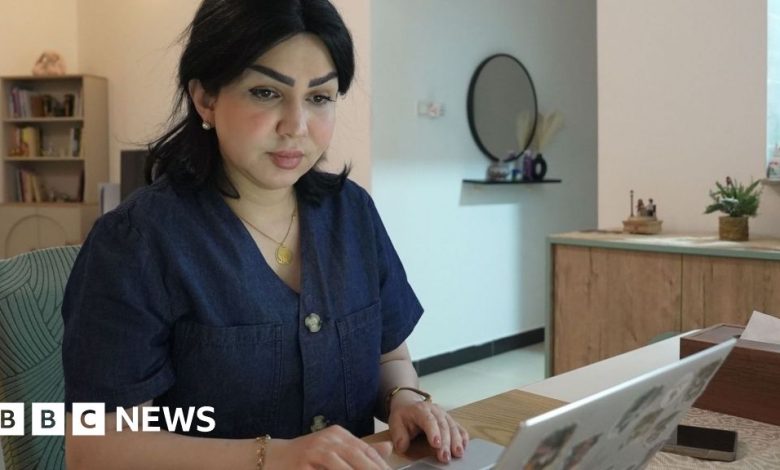
An Iraqi women’s rights activist, Sarah Jassim, says she has received death threats and threats of acid attacks for documenting alleged sexual harassment and encouraging women to speak out against abuse.
Jassim shares videos on Instagram on behalf of women who report sexual abuse and harassment by men and boys in Iraq.
One video shows a woman confronting a driver she accuses of exposing himself and making obscene comments as she walked past him on a busy street in Baghdad. The woman records the encounter on her phone while attempting to open the car door.
“Your camera is your weapon,” Jassim told the BBC, explaining that the recordings could provide evidence if victims decide to pursue legal action or help expose alleged perpetrators.
She said one of her posts led to the arrest of a police officer accused of harassing schoolgirls.
However, Jassim said her work has put both her and the women featured in the videos at risk.
“I have received death threats, and I have also been threatened with acid attacks,” she said, adding that she had been accused of inciting public indecency for encouraging women to speak out in a society where silence is often expected.
The threats have forced her to limit her movements and remain largely indoors for her safety.
Activist calls for stronger laws
Jassim believes Iraq needs stricter legislation to address sexual harassment and gender-based violence, arguing that these terms are not explicitly recognised in the country’s penal code.
“Recognising the problem is the best way to address it,” she said. “We need protection, abusers have to be deterred.”
Her concerns reflect broader challenges faced by women seeking justice in Iraq, where survivors and activists say complicated legal procedures, uncertain outcomes and social stigma can discourage victims from reporting abuse.
A United Nations committee on discrimination against women described violence against women and girls in Iraq as “widespread and under-reported” in a report published in May.
The committee called for stronger legislation and urged Iraqi authorities to repeal laws it considered discriminatory, including provisions that allow rapists to escape punishment by marrying their victims and laws that permit reduced sentences for murders committed under the guise of so-called honour killings.
Survivor battles for justice over alleged abuse of daughter
Amal, whose real name has been withheld for her protection, says she has spent about five years pursuing legal action against her former husband, whom she accuses of repeatedly raping their daughter while the girl was under 18.
According to Amal, her daughter said her father entered her room with a gun and placed it on her bed before threatening her.
“No-one will hear you if I kill you,” he allegedly told the girl.
Amal said her daughter sustained bruises around her wrists because the alleged perpetrator held her hands tightly and covered her mouth whenever she attempted to scream.
She showed the BBC medical documents, including DNA evidence, which she said supported her account of the alleged assault.
Amal also alleged that her former husband told a family member to “wash off our disgrace” if he was arrested. The phrase is associated with so-called honour killings, in which relatives claim to be defending a family’s reputation.
She believes the threat against her daughter’s life was intended to prevent the release of medical evidence and stop the alleged assault from being proven.
Amal said her former husband remains at large and the court case is still ongoing.
Social stigma and financial barriers deepen survivors’ struggles
Sexual abuse remains a taboo subject in many parts of Iraqi society, according to survivors who spoke to the BBC. Some victims fear family backlash, while others are reluctant to approach the police because of social stigma and the possibility of further harassment.
Amal said she reported the alleged abuse because she was determined to seek justice. However, she described the legal battle as a lonely experience.
“I fought all alone,” she said, breaking down in tears as she recalled how her former husband hired several lawyers while she could not afford legal representation. She also said members of her family turned a blind eye to the situation.
After years of pursuing the case, Amal said she has lost confidence that the court will rule in her favour.
“I just want him to stay out of my way forever,” she said.
Calls for protection and accountability
The experiences of Jassim and Amal highlight the risks confronting women who challenge sexual violence in Iraq, from threats and isolation to difficulties navigating the justice system.
Activists say stronger laws, effective protection for victims and greater accountability for alleged perpetrators are necessary to address the problem.
For women seeking justice, however, the consequences of speaking out can extend beyond the courtroom, affecting their safety, family relationships and confidence in the institutions meant to protect them.