Waymo Plans Madrid Robotaxi Launch in 2027 as Global Expansion Accelerates
Alphabet-owned Waymo is preparing to introduce its fully autonomous ride-hailing service in Spain, with testing scheduled to begin in Madrid ahead of a planned commercial launch in 2027.

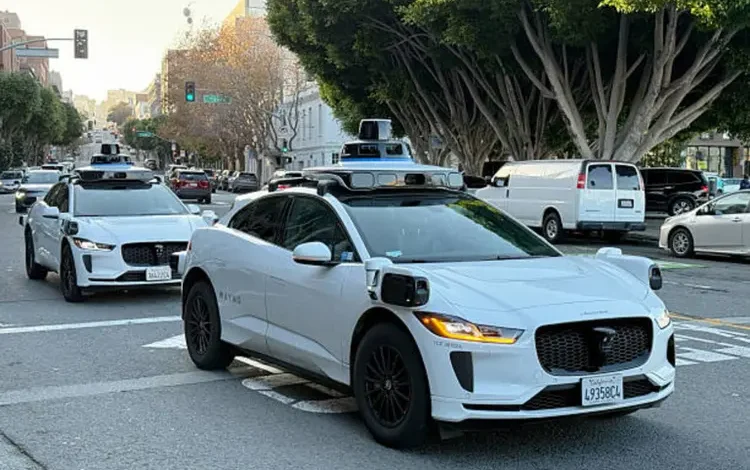
Waymo, the autonomous driving company owned by Alphabet, has announced plans to launch a fully autonomous ride-hailing service in the Madrid region of Spain in 2027. The announcement, made on October 20, 2026, marks the company’s planned entry into the Spanish market as it expands beyond the United States. Waymo said its electric Jaguar I-PACE vehicles would begin appearing on Madrid’s roads in the coming days, initially operating with trained human drivers while the company collects information about local traffic conditions. The expansion is part of Waymo’s broader strategy to establish its self-driving technology in major international cities and make autonomous transportation available to more passengers. The company has already built a commercial robotaxi business in several American cities and is preparing additional launches in Europe and Asia.
The Madrid rollout will follow a gradual testing process rather than immediately introducing driverless taxis to paying passengers. Waymo explained that its initial operations would involve manually driven vehicles gathering information about Spanish roads, traffic patterns, road signs and the behaviour of pedestrians and cyclists. The company will then conduct technical validation with trained local specialists before progressing towards fully autonomous driving. These stages are intended to help the Waymo Driver adapt to Madrid’s road layouts, driving rules and urban conditions. Waymo is also working with national, regional and local authorities, as well as emergency services, to prepare for future operations. The company has not yet announced a specific commercial launch date, the size of its initial fleet or the prices passengers will pay.
Waymo’s vehicles use a combination of artificial intelligence, cameras, radar and LiDAR sensors to interpret their surroundings and make driving decisions. These systems allow the vehicles to detect other cars, pedestrians, cyclists, obstacles and traffic signals while building a detailed understanding of the road. The company says its autonomous driving technology has accumulated more than 400 million kilometres of fully autonomous driving experience on public roads. According to Waymo’s own safety analysis, its system has recorded approximately 95% fewer crashes involving serious injuries or worse than human drivers in the American cities where it operates commercially. However, these figures are based on the company’s own analysis and operating environments, so performance in Madrid will need to be assessed as testing progresses.
The planned Spanish launch comes as competition in autonomous transportation intensifies. Waymo already operates commercial services in more than 15 US cities and says its fleet completes hundreds of thousands of paid trips each week. The company is also preparing to expand into other international markets, including London and Tokyo, while its Munich plans form part of its broader European ambitions. Meanwhile, Uber and other autonomous-driving companies are exploring opportunities in Spain, where regulators are developing frameworks for testing and deploying self-driving vehicles. Competition among these companies could accelerate investment in autonomous mobility, improve vehicle technology and create new transportation options. Nevertheless, operators must overcome regulatory requirements, public concerns and the technical challenges associated with navigating complex urban environments safely.
Waymo’s arrival could eventually change how residents and visitors travel around Madrid, particularly if autonomous vehicles become a reliable alternative to conventional taxis and ride-hailing services. The company argues that self-driving vehicles could improve road safety, increase accessibility and support cleaner urban transportation through an all-electric fleet. However, the actual impact will depend on service availability, fares, regulatory approval and how well the technology handles the city’s busy streets. Questions surrounding responsibility for accidents, privacy, cybersecurity and the effect on professional drivers will also remain important as the industry develops. For now, Waymo’s immediate priority is to test its vehicles and establish local operations before carrying passengers without a human driver. If the rollout proceeds as planned, Madrid could become another significant market in the global expansion of autonomous ride-hailing services in 2027.