
Moderna and Merck Cancer Vaccine Cuts Melanoma Recurrence Risk by 42%
A Phase 3 clinical trial shows that a personalised mRNA cancer vaccine combined with Merck’s Keytruda reduced the risk of melanoma recurrence or death by 42%, bringing the treatment closer to potential regulatory approval.

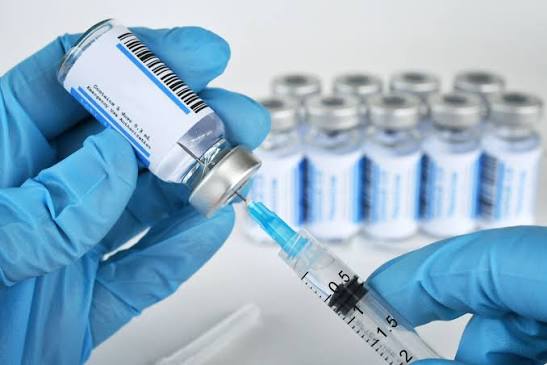
Moderna and Merck have announced detailed results from a major clinical trial showing that their experimental personalised cancer vaccine, intismeran autogene, significantly improved outcomes for patients with high-risk melanoma. The vaccine, developed using messenger RNA (mRNA) technology, was tested alongside Keytruda, Merck’s established immunotherapy, in a Phase 3 trial involving 1,137 patients whose melanoma had been surgically removed. The combination reduced the risk of cancer recurrence or death by 42% compared with Keytruda alone. The findings represent an important milestone for personalised cancer treatment because they demonstrate that a vaccine designed around the specific mutations in an individual patient’s tumour can improve outcomes when combined with an existing cancer therapy. The results were released on October 22, 2026, ahead of their scheduled presentation at a major European oncology conference in Madrid.
The vaccine works differently from traditional preventive vaccines, which are designed to protect people against infectious diseases. Instead, intismeran autogene is a therapeutic treatment intended to help the immune system recognise and attack cancer cells. Doctors analyse the genetic mutations in a patient’s tumour and use that information to develop a personalised mRNA vaccine containing instructions related to selected tumour-specific targets. Once administered, the treatment encourages the body to produce these targets, helping the immune system identify cells carrying the corresponding cancer-associated markers. Keytruda complements this process by blocking PD-1, a protein that can limit immune-cell activity against cancer. By combining these approaches, the researchers aim to strengthen the body’s ability to recognise cancer and attack remaining malignant cells after surgery. The personalised vaccine requires specialised preparation for each patient rather than being manufactured as a single identical product for everyone.
The clinical results showed a meaningful difference between the two treatment groups. After two years, 82.2% of patients receiving the vaccine alongside Keytruda remained free of recurrence, compared with 70% of those receiving Keytruda alone. The combination also reduced the risk of distant cancer spread or death by 38%, according to the companies. These results are particularly important for patients with high-risk melanoma, because the disease can return or spread to other organs even after the original tumour has been surgically removed. Researchers are continuing to follow participants to assess longer-term outcomes, including overall survival. Although the results provide strong evidence that the combination can delay recurrence, they do not establish that the treatment permanently eliminates cancer or guarantees a cure for every patient.
Safety and manufacturing will remain important considerations as the treatment moves towards potential approval. The companies reported that the safety profile of the combination was consistent with earlier studies, with no new safety signals identified. However, treatment-related adverse events were reported in both groups, and severe adverse events occurred in a minority of participants. The personalised approach also requires tumour analysis and individual vaccine production, which can make manufacturing more complex than producing conventional medicines. The companies have been developing the treatment together and are preparing regulatory submissions in the United States. They have indicated that a launch could potentially take place in 2027, depending on the regulatory process. The treatment has not yet received the approval needed for routine commercial use, and further assessment will be necessary before its availability can be confirmed.
The findings could have implications beyond melanoma because Moderna and Merck are investigating similar personalised cancer-vaccine approaches in other tumour types, including lung, bladder and kidney cancers. Nevertheless, the success of the melanoma trial does not mean that the same results will automatically be achieved in other cancers, which can differ significantly in their mutations, immune responses and treatment requirements. The announcement also affected financial markets: Moderna shares fell sharply after the detailed results became public, despite the positive clinical findings, as investors assessed the treatment’s commercial potential and the full data. The trial represents a promising advance in personalised oncology, but its long-term impact will depend on regulatory approval, manufacturing capacity, cost and evidence that the approach can deliver meaningful benefits to patients in wider clinical use.




