BYD Plans Four Factories in Europe to Expand EV Production
The Chinese electric vehicle maker says it will eventually need three vehicle assembly plants and one battery factory in Europe to support its expansion and meet changing European requirements.

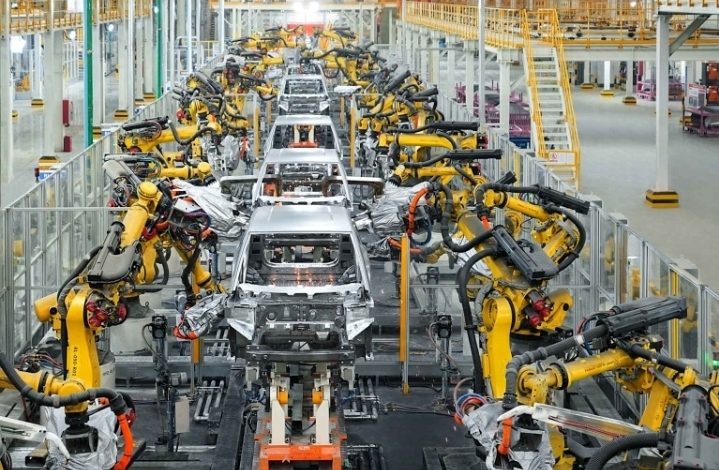
Chinese electric vehicle manufacturer BYD is planning a much larger manufacturing footprint in Europe, with the company expecting to eventually operate three vehicle assembly plants and one battery factory on the continent. Alfredo Altavilla, BYD’s special adviser for Europe, said the expansion would be necessary to support the company’s long-term sales ambitions while complying with European regulations. BYD is already beginning production at its first European passenger-car facility in Hungary and expects to decide on the location of a second manufacturing site before the end of 2026.
Rather than building every facility from the ground up, BYD is looking at acquiring existing factories that can be refurbished and brought into operation more quickly. Spain and France are currently among the locations receiving particular attention, while Italy remains under consideration but has been described by Altavilla as a secondary option. The strategy reflects the wider movement among Chinese automakers to establish production inside Europe as the European Union considers rules designed to increase the amount of locally produced content in products benefiting from European support.
BYD’s European expansion comes as its international business becomes increasingly important to the company. According to data reported by CnEVPost, BYD sold more than 1.16 million vehicles outside China during the first eight months of 2026, representing an 85.7 percent increase from the same period a year earlier. The company has also raised its overseas sales target for 2026 to between 1.9 million and 2 million vehicles. The growing international demand is creating pressure for additional manufacturing capacity closer to customers, while local production can also help companies respond to trade measures affecting vehicles imported from China.
The planned factories could therefore become an important part of BYD’s long-term strategy in Europe. Its first European passenger-car plant in Hungary is moving toward production, while the company continues searching for another suitable facility. BYD’s approach also shows how competition in the electric vehicle industry is increasingly becoming a competition over manufacturing networks, supply chains and access to major markets. If the company eventually establishes three assembly plants and a battery facility across Europe, its vehicles could be produced much closer to European consumers, marking a significant expansion of BYD’s industrial presence outside China.