
OpenAI Speeds Up $30 Billion Funding Round Ahead of Anthropic IPO
OpenAI is accelerating plans to raise approximately $30 billion at a potential valuation exceeding $1.4 trillion as it competes with rival Anthropic for major investors ahead of the latter’s expected stock market debut in November.

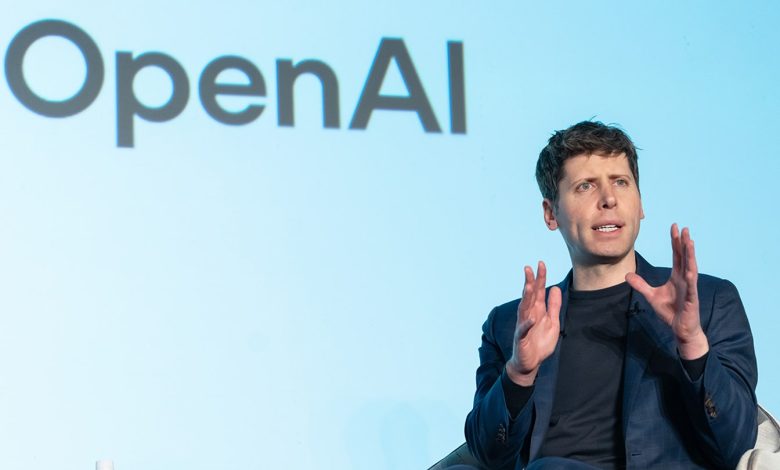
OpenAI is reportedly speeding up its latest fundraising efforts as it seeks to secure billions of dollars in new investment before rival AI developer Anthropic potentially enters the public stock market. According to a Reuters report published on October 19, 2026, the company is aiming to raise approximately $30 billion in a funding round that could value it at more than $1.4 trillion. People familiar with the discussions said OpenAI wants to obtain investor commitments before Anthropic’s anticipated initial public offering, expected in mid-November. The accelerated timetable reflects the intensifying competition between the two artificial intelligence companies, which are increasingly seeking capital from the same institutional investors and sovereign wealth funds. However, the proposed fundraising remains under discussion, and its final size, valuation and terms have not been confirmed.
Several existing investors are reportedly considering participation in the proposed round, including Japan’s SoftBank Group and Abu Dhabi-based investment firm MGX. OpenAI has also held discussions with long-term investment funds and sovereign wealth funds as it attempts to secure additional financial backing. The fundraising effort follows the company’s earlier capital raise, which involved approximately $122 billion in committed funding and valued OpenAI at $852 billion in March 2026. A new round targeting a valuation above $1.4 trillion would represent a substantial increase in its estimated market value. Nevertheless, a private funding valuation is not the same as a publicly traded market price, and the eventual valuation will depend on investor demand, the terms of the transaction and the company’s financial outlook.
Revenue growth is another important factor behind OpenAI’s fundraising strategy. Reuters reported that the company had reached an annualised revenue run rate of approximately $50 billion and expects that figure to rise to $70 billion by the end of 2026, following the launch of its GPT-6 Astra model and increased demand for its AI products. An annualised revenue run rate estimates a company’s yearly revenue based on a recent period of performance; it does not mean that the company has already earned that amount over a full financial year. OpenAI is seeking to demonstrate that its expanding user base, enterprise services and developer products can support a business valued at more than $1 trillion. Investors will also examine how much it spends on computing infrastructure, model development, employee compensation and the deployment of increasingly capable AI systems.
The timing of the funding round is closely connected to Anthropic’s reported plans for an initial public offering. A successful IPO would give public-market investors a new reference point for evaluating the value of a major AI developer. OpenAI may therefore prefer to negotiate its private funding before Anthropic’s financial disclosures and market debut trigger more direct comparisons between the two companies. Anthropic has reportedly been attracting substantial investor attention, although questions remain about its growth rate, operating costs and ability to justify a valuation running into the trillions of dollars. Both companies face the challenge of convincing investors that their revenue growth will eventually translate into sustainable profits despite the enormous cost of training and operating advanced AI models.
The wider financial environment could complicate OpenAI’s plans. Technology stocks have experienced volatility, interest rates remain a concern for investors, and the enormous infrastructure requirements of artificial intelligence businesses are attracting closer scrutiny. OpenAI needs substantial capital to finance computing capacity, expand its products and maintain its research programmes. Securing new funding could also strengthen its financial position if unfavourable market conditions delay a potential public listing, which the company has reportedly been considering for 2027. However, raising billions at an exceptionally high valuation would not eliminate the risks associated with heavy spending, intense competition and uncertainty about future profitability. Investors will need to assess whether the company’s projected growth justifies the proposed valuation and whether it can sustain its expansion over the long term.
OpenAI’s accelerated fundraising campaign illustrates how competition in artificial intelligence now extends beyond model performance and product launches to the ability to secure long-term financial resources. Access to capital can help companies acquire advanced chips, build data centres, attract researchers and develop new AI systems. At the same time, the race to raise money before Anthropic’s expected IPO highlights how sensitive private valuations can be to market timing and investor sentiment. If OpenAI secures the proposed funding on favourable terms, it could strengthen its financial position as it prepares for its next stage of expansion. If negotiations take longer or investors demand different terms, the company may have to adjust its expectations. For now, the reported $30 billion round remains a proposed transaction rather than a completed deal.




