
DeepSeek and MiniMax Win Chinese Approval to Expand AI Models Overseas
China has approved DeepSeek and MiniMax for the international distribution of certain AI models, signalling Beijing’s effort to balance technology export controls with the global expansion of its artificial intelligence industry.

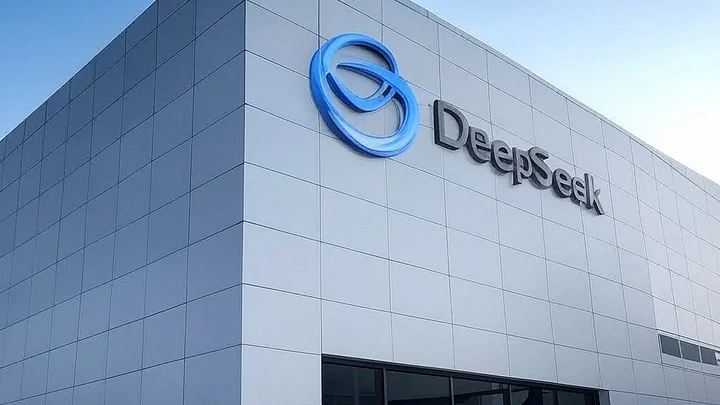
Chinese artificial intelligence companies DeepSeek and MiniMax have received approval to make certain AI models available internationally, according to a social media account affiliated with China’s state broadcaster, China Central Television (CCTV). The announcement, reported on October 23, 2026, comes as Beijing introduces new measures to regulate the export of strategically important technologies. The state-affiliated account, Yuyuan Tantian, said the companies had completed registration procedures associated with open-source releases and overseas use of their models. MiniMax separately confirmed that it had completed technology export registration with China’s Ministry of Commerce for the open-source release and overseas licensing of certain recently released and upcoming models. DeepSeek had not immediately responded to Reuters’ request for comment.
The approvals come as Chinese AI developers seek to strengthen their position in the global market. DeepSeek has attracted international attention for developing models that compete with established AI systems while offering relatively accessible pricing and open-weight options. MiniMax has also expanded its presence in the industry through its large language models and other AI products. Open-weight models allow developers to download model parameters and, subject to the relevant licence, customise or deploy them for different applications. This flexibility can make such systems attractive to businesses, researchers and independent developers seeking alternatives to fully proprietary AI platforms. International distribution could therefore help Chinese companies increase adoption, attract developers and compete more directly with leading American AI providers.
The decision also follows China’s October 16 proposal to introduce export controls covering 23 artificial intelligence technologies, including certain AI models, autonomous agents and computing clusters. The proposed measures are intended to strengthen government oversight of technologies considered important to national security and strategic competitiveness. However, Chinese authorities have indicated that most AI technologies would remain exportable, with simplified licensing procedures for some open-source exports and Chinese companies operating computing facilities overseas. The distinction is important because Beijing is seeking to prevent the uncontrolled transfer of sensitive technology without shutting down the international commercial opportunities available to its domestic AI industry. The latest registrations suggest that overseas distribution can continue under the relevant regulatory framework.
One significant feature of the proposed rules is the distinction between transferring an underlying technology and providing access to a service built around it. According to reporting on the draft framework, access through application programming interfaces (APIs), websites, applications and software-as-a-service platforms would generally be treated differently from the direct export of restricted technology. This distinction could allow international users to continue accessing some Chinese AI services even where transferring particular model technologies overseas requires additional authorisation. For developers and businesses, the final rules will determine how licensing, registration and compliance obligations affect the deployment of these systems. The details matter because restrictions that are too broad could limit commercial growth, while insufficient oversight could make it harder for the government to protect technologies it considers strategically sensitive.
The approvals highlight China’s attempt to compete internationally while maintaining control over advanced technology exports. Chinese AI companies have gained attention by offering alternatives to expensive proprietary systems, but geopolitical tensions and concerns about technology security continue to influence where their products can be used. The United States has also tightened restrictions on certain Chinese AI technologies, citing national security concerns, while Beijing has criticised what it describes as efforts to constrain its technological development. For DeepSeek and MiniMax, permission to distribute qualifying models overseas could provide an opportunity to expand their developer communities and commercial partnerships. Nevertheless, the long-term impact will depend on the final export-control rules, the specific models covered by the registrations and the willingness of overseas customers to adopt Chinese AI technology.




