DRAM Shortage Strands Over $1 Billion in Apple Products as AI Memory Crunch Deepens
Global memory shortage disrupts Apple production, delaying shipments and exposing how AI demand is reshaping the consumer electronics industry.

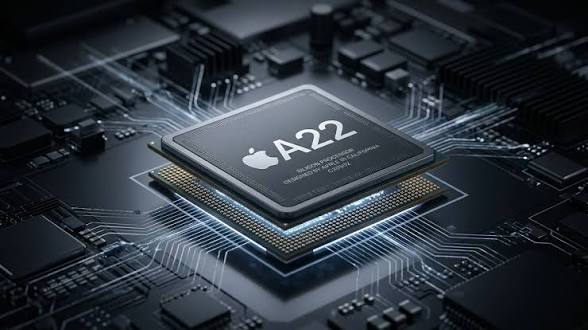
Apple is reportedly facing production disruptions affecting more than $1 billion worth of products as the global shortage of DRAM (Dynamic Random-Access Memory) continues to worsen. The company has struggled to secure enough memory chips for key products, including iPhones, iPads, Macs, and other devices, as memory manufacturers prioritize higher-margin components for artificial intelligence servers. The shortage has become one of the biggest supply chain challenges Apple has encountered in years, with executives warning that limited memory availability is beginning to affect production schedules and future sales growth.
The crisis is being driven by the explosive expansion of AI infrastructure around the world. Technology giants including Microsoft, Amazon, Google, Meta, and OpenAI are purchasing enormous quantities of advanced memory for AI data centers, leaving less production capacity available for traditional consumer electronics. Major memory suppliers such as Samsung, SK hynix, and Micron have increasingly shifted manufacturing toward High Bandwidth Memory (HBM) used in AI accelerators, reducing supplies of conventional DRAM required for smartphones, laptops, and tablets.
Apple has attempted to reduce the impact by securing long-term supply agreements and building larger inventories of memory components. However, executives acknowledged that even Apple’s highly efficient supply chain can no longer fully shield the company from industry-wide shortages. Rising DRAM prices have also increased manufacturing costs, putting pressure on profit margins and forcing Apple to adjust pricing on some products while carefully managing production priorities. Analysts say the company’s ability to secure memory has become just as important as obtaining advanced processors.
The memory shortage is also affecting the broader technology industry. PC manufacturers, smartphone makers, graphics card producers, and automotive companies are all competing for limited supplies of DRAM and NAND flash memory. Many hardware companies have already increased prices, while others are warning that shortages could continue through 2027 and possibly into 2028 as building new semiconductor fabrication plants requires several years and billions of dollars in investment.
Apple’s production challenges highlight how the AI boom is transforming the global semiconductor market. Memory chips, once viewed as a cyclical commodity, have become one of the most valuable resources in the AI era. As demand for AI computing continues to accelerate, competition for advanced memory is expected to remain intense, forcing technology companies to rethink their supply chain strategies and secure long-term component agreements. Until significant new manufacturing capacity comes online, shortages and higher component costs are likely to remain a defining challenge for the global electronics industry.