Europe’s Power Grid Faces Dual Threat From Eclipse and Heatwave
Extreme heat and an approaching solar eclipse are creating new challenges for Europe’s electricity system, putting additional pressure on grid operators to maintain stability.

Europe’s electricity grid is facing an unusual combination of challenges as a severe heatwave coincides with an upcoming solar eclipse. The combination could create rapid changes in electricity generation and demand, requiring grid operators to carefully balance supply and consumption. The situation highlights how increasingly complex Europe’s power system has become as weather conditions and renewable generation play a larger role.
The heatwave is already putting pressure on parts of Europe’s energy infrastructure. High temperatures can increase electricity demand because households and businesses rely more heavily on cooling systems, while extreme heat can also affect the efficiency and operation of power plants and transmission infrastructure. Some nuclear and coal facilities have faced operational constraints during periods of high temperatures, adding another layer of uncertainty to electricity supply.
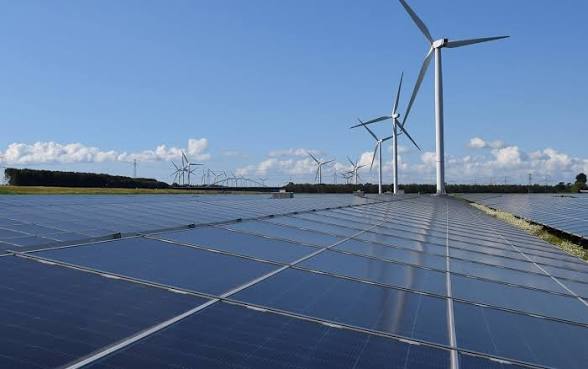
The solar eclipse presents a different challenge. Solar power has become an increasingly important source of electricity across Europe, meaning a sudden reduction in sunlight can cause solar generation to fall quickly in areas affected by the eclipse. Grid operators must prepare for this change and ensure that other sources of electricity, energy storage and cross-border connections can compensate when solar output declines.
The combination of extreme weather and changing renewable generation demonstrates why flexibility is becoming increasingly important for Europe’s electricity network. Stronger interconnections between countries, battery storage, flexible power generation and improved forecasting can help grid operators respond to sudden changes in supply and demand. Europe is also investing in grid upgrades as it expands renewable energy and electrifies more parts of its economy.
The latest warning underscores a broader challenge facing Europe: building an electricity system capable of handling both the opportunities and risks created by the clean-energy transition. Solar and wind power can reduce dependence on fossil fuels, but their output varies with weather and natural conditions. As renewable capacity grows, Europe will need increasingly sophisticated grid management, storage and backup systems to maintain reliability during extreme events and sudden changes in generation.