Eutelsat Shares Surge as Ukraine’s Starlink Disruptions Boost European Satellite Rival
European satellite operator Eutelsat has attracted renewed investor interest after Ukraine reported restrictions affecting SpaceX’s military-grade satellite service, raising questions about Europe’s reliance on American space technology.

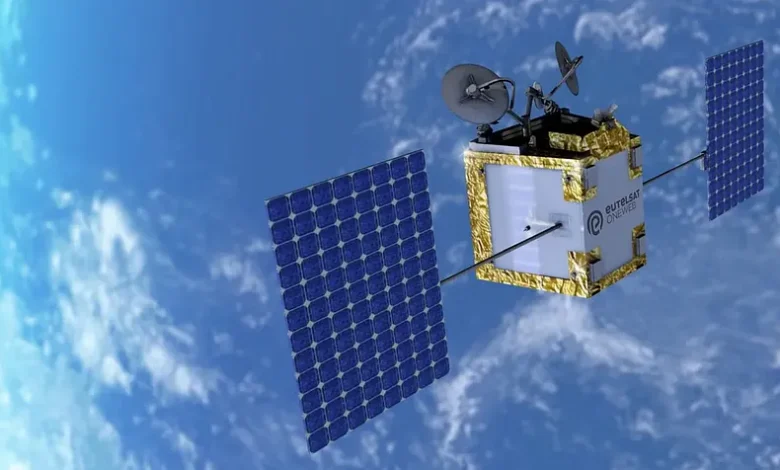
Shares in Eutelsat surged on October 14, 2026, after reports that Ukraine had experienced disruptions involving Starshield, the military-grade service operated by SpaceX. Investors reacted to the possibility that European governments could increase their reliance on regional satellite providers as uncertainty grows over access to American military communications infrastructure. Reuters reported that Eutelsat shares rose by 11.6% during Wednesday morning trading, while Luxembourg-based satellite operator SES gained approximately 2.7%. The market reaction reflected expectations that European satellite companies could benefit from greater demand for independent communications capabilities. However, the share-price increase does not establish that Eutelsat has secured new contracts to replace Starlink or Starshield in Ukraine.
The developments follow reports that Ukraine experienced problems with Starshield terminals operating at high speeds, affecting some military drone operations and logistical activities. Ukrainian officials said restrictions had disrupted the functioning of the service under certain operating conditions. The incident has highlighted the importance of satellite communications in modern warfare, where reliable connectivity supports battlefield coordination, intelligence sharing, drone operations and communication between military units. Starlink and Starshield have played significant roles in Ukraine’s communications infrastructure since Russia’s full-scale invasion in 2022. The latest disruption has therefore renewed concerns about the risks of depending heavily on services controlled by a foreign company and subject to operational decisions beyond the direct control of Ukrainian authorities.
Eutelsat is attracting attention because its OneWeb network provides satellite internet connectivity through hundreds of satellites in low Earth orbit. The company, formed through the combination of Eutelsat and British satellite operator OneWeb, offers an alternative to SpaceX’s much larger Starlink network. Its services are primarily directed towards businesses, governments and other institutional customers rather than the broad direct-to-consumer market served by Starlink. Eutelsat has already provided connectivity services in Ukraine through its satellite networks and partners. Nevertheless, industry specialists have warned that OneWeb cannot immediately replace Starlink across Ukraine’s military operations. Differences in network architecture, terminal equipment, coverage and available capacity mean that switching providers would require substantial technical and logistical work.
The situation also exposes Europe’s wider dependence on American space and defence infrastructure. European governments have increasingly discussed the need to develop independent capabilities for satellite communications, intelligence gathering and military coordination. The European Union’s planned IRIS² satellite constellation is intended to strengthen the region’s secure communications infrastructure, while Germany is pursuing its own military satellite programme. However, these initiatives will take time to deliver capabilities at the scale required for demanding military applications. Experts have also warned that European alternatives currently lack some of the operational advantages and extensive infrastructure available through American systems. As a result, Europe faces the challenge of building technological independence while continuing to rely on established partners for critical services.
For Eutelsat, the latest market reaction could strengthen its position in discussions about European satellite security and future government contracts. However, investors must distinguish between expectations of future demand and confirmed commercial growth. Replacing Starlink or Starshield would require additional terminals, infrastructure investment, sufficient network capacity and close coordination with military users. Eutelsat’s smaller constellation and different equipment requirements may limit how quickly it can support large-scale military operations. The company may still benefit from governments seeking multiple suppliers to reduce dependence on a single provider. Ultimately, the episode demonstrates that satellite connectivity has become a strategic security issue as well as a commercial service. Europe’s ability to develop reliable alternatives will depend on sustained investment, technical progress and long-term cooperation between governments and satellite operators.