Experts Warn the Moral Red Line for AI Weapons May Already Have Been Crossed
UN and Red Cross leaders are calling for stronger controls on autonomous weapons, while AI and ethics experts argue that machines may already be selecting and engaging targets with too little human control.

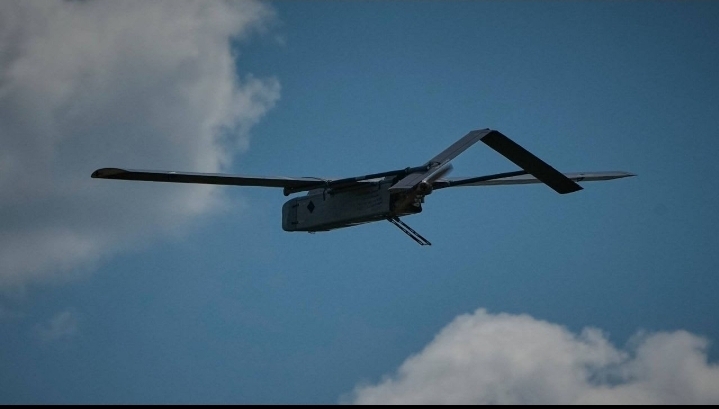
The United Nations and the International Committee of the Red Cross have issued a renewed warning about the development of autonomous weapons systems, particularly weapons capable of selecting and attacking human targets without meaningful human intervention. The organizations said the world is approaching a “moral red line” as military AI develops faster than international regulation.
However, some experts believe that threshold may already have been crossed. Researchers cited in the report point to recent battlefield incidents involving AI-enabled drones, arguing that increasingly autonomous systems can identify or select targets after being deployed. This represents a major ethical shift because the technology can reduce the role of humans in the final stages of a lethal decision.
The concern is not simply about drones becoming more automated. The central issue is human control over life-and-death decisions. The UN and Red Cross are calling for restrictions on autonomous weapons that can target people, as well as systems whose behavior is too unpredictable for operators to understand or control reliably.
Experts warn that regulating these technologies is becoming increasingly difficult as autonomous systems become cheaper, more capable and easier to deploy. Once a military demonstrates that an autonomous weapon provides a battlefield advantage, countries may have stronger incentives to continue developing and using it, making international agreements more difficult to achieve.
The issue is expected to receive further international attention when negotiators meet in Geneva in November to discuss strengthening existing rules under the Convention on Certain Conventional Weapons. The debate will center on whether governments can establish meaningful limits before autonomous weapons become even more widespread.