Google and Tesla shares plunge as AI s
Google and its parent company Alphabet have spent huge amounts on AI

Google, Tesla shares tumble as massive AI spending rattles investors
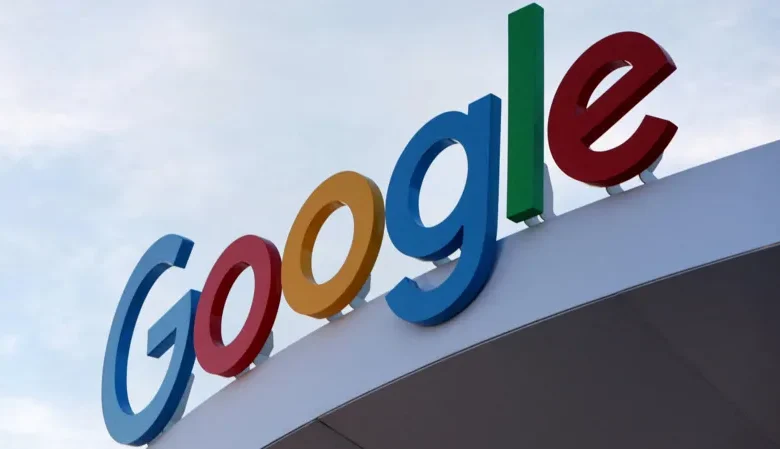
Shares of Google parent Alphabet and Tesla fell sharply on Thursday after both companies revealed heavy spending on artificial intelligence and reported negative free cash flow, raising fresh concerns about when their AI investments will begin to deliver meaningful returns.
Alphabet’s shares dropped nearly seven per cent, while Tesla plunged 14.5 per cent after both companies reported quarterly earnings on Wednesday and signalled plans to spend billions more on AI and other long-term projects.
For Alphabet, it marked the first time since going public in 2004 that its free cash flow turned negative, reflecting the scale of its AI investment.
The company posted quarterly revenue of $119.8bn, up 23 per cent year-on-year, but recorded negative free cash flow of $5.9bn as capital spending surged to $45bn in the second quarter. Around 60 per cent of that spending went toward servers, with the remaining 40 per cent invested in data centres, according to Chief Financial Officer Anat Ashkanazi.
Alphabet has now raised its expected capital expenditure for 2026 to as much as $205bn, up $15bn from its previous forecast, with most of the increase earmarked for AI infrastructure.
Ashkanazi said demand for AI services continues to exceed the company’s current capacity, adding that Alphabet would keep investing as long as the opportunities remain attractive.
Chief Executive Officer Sundar Pichai described the AI revolution as still being in its early stages, saying the company remains confident that today’s investments will generate substantial long-term returns despite the near-term financial pressure. Investors, however, remain cautious.
“There is still a healthy degree of scepticism about the ability of these investments to generate a commensurate level of return,” said Russ Mould, investment director at AJ Bell.
Rachel Winter, a partner at wealth management firm Killik & Co, said the scale of Alphabet’s spending surprised many investors, noting that the market reaction reflected growing concern over the size of the company’s AI commitments.
Tesla also reported negative free cash flow of $1.1bn for the second quarter, its first such result in two years, as investment costs climbed.
The electric vehicle maker expects to spend up to $25bn this year—more than double its capital expenditure in 2025—as it ramps up investments in future technologies.
Chief Financial Officer Vaibhav Taneja said Tesla is in the middle of a major investment cycle and expects spending to continue rising over the next three years.
The results from both companies underscore the enormous financial commitment required to compete in the AI race, even as investors question how quickly those investments will translate into stronger profits.