Huawei Profit Falls 36% as AI and Semiconductor R&D Spending Surges
Huawei’s first-half revenue increased nearly 10%, but record research spending and higher component costs sharply reduced its profitability as the company pushes toward greater technological self-reliance.

Huawei Technologies reported a 36% year-on-year decline in net profit for the first half of 2026, with profit falling to about 23.81 billion yuan ($3.54 billion). At the same time, revenue rose 9.6% to 467.82 billion yuan, meaning the company continued to grow its business even as higher costs significantly squeezed its earnings.
A major factor behind the decline was Huawei’s aggressive investment in research and development. The company spent 121.38 billion yuan on R&D, an increase of 25.2% from the same period last year. That spending represented approximately 25.9% of Huawei’s total revenue, reflecting the company’s determination to strengthen its capabilities in artificial intelligence, semiconductor technology, telecommunications, smart devices and intelligent vehicles.
Huawei’s strategy is closely connected to efforts to reduce its dependence on foreign technology amid continuing U.S. restrictions. The company has been developing its own AI computing platforms and semiconductor technologies, including alternatives to advanced chips supplied by foreign companies. While this strategy could strengthen Huawei’s technological independence over time, it requires enormous investment and is currently putting pressure on profitability.
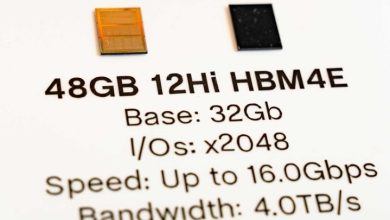
Higher component and production costs are adding to the pressure. Huawei has also faced rising memory-chip prices, which have affected the profitability of consumer products such as smartphones. Despite these challenges, all of Huawei’s business segments reportedly recorded revenue growth during the first half of the year, suggesting that the company’s underlying demand remains relatively strong.
The results illustrate the financial cost of Huawei’s long-term push toward technological self-sufficiency. The company is effectively sacrificing some short-term profitability to invest heavily in AI, chips and other strategic technologies. Huawei said its full-year outlook remains uncertain because of external conditions and rising input costs, leaving investors watching closely to see whether its enormous R&D investment eventually translates into stronger margins and greater competitiveness.