SK hynix Considers Intel for Next-Generation Memory Production
SK hynix is reportedly evaluating Intel’s manufacturing technology as demand for advanced AI memory continues to surge, potentially creating a new opportunity for Intel’s struggling foundry business.

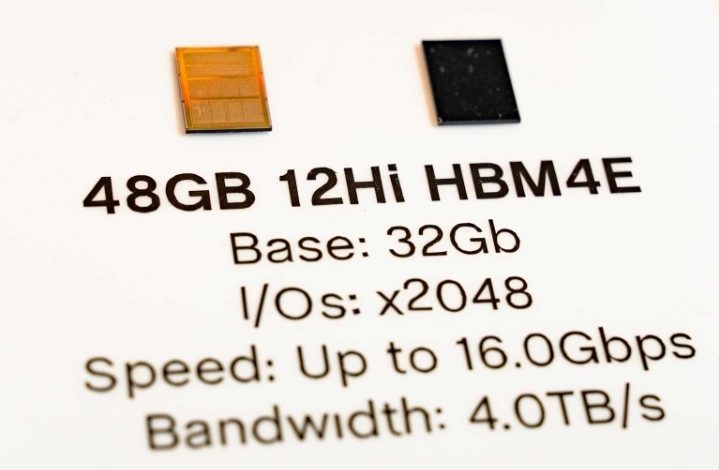
SK hynix is reportedly considering Intel Foundry as a supplier for base dies used in its next-generation high-bandwidth memory (HBM). If the discussions result in an agreement, Intel would gain an important new customer as it attempts to expand its contract-manufacturing business and attract major semiconductor companies.
The potential relationship comes as demand for HBM continues to rise rapidly because of the expansion of AI data centers. HBM is essential for advanced AI processors because it provides extremely high memory bandwidth while maintaining relatively efficient power consumption. SK hynix is already a major supplier of HBM and has been expanding production to meet demand from companies building AI infrastructure.
Intel could benefit significantly from such an arrangement. The company has been investing heavily in its foundry business, seeking external customers to use its manufacturing capabilities. A partnership with SK hynix would potentially demonstrate that Intel’s manufacturing technology can be integrated into advanced memory products, giving its foundry operation additional credibility.
The discussions also come amid broader cooperation between the two semiconductor companies. SK hynix has previously been linked to potential cooperation involving Intel’s facilities and advanced packaging technologies, although reports about a possible acquisition or operation of Intel’s Ohio site have been denied by SK hynix. The company said it continues to review investment opportunities but has not decided to acquire Intel’s Ohio facility.
The bigger picture is the accelerating competition to build the semiconductor infrastructure required for artificial intelligence. SK hynix recently announced plans to begin mass production of next-generation HBM4E at its Indiana facility by the third quarter of 2029 as part of a roughly $4 billion investment. The company expects global memory shortages to persist through 2030, underscoring why manufacturers are seeking additional production and packaging capacity.