
Memory Chip Stocks Plunge as Shortage Hits Apple and Qualcomm
Major memory manufacturers are experiencing sharp stock declines despite persistent global chip shortages, as rising component prices threaten smartphone sales and raise concerns about weakening consumer demand.

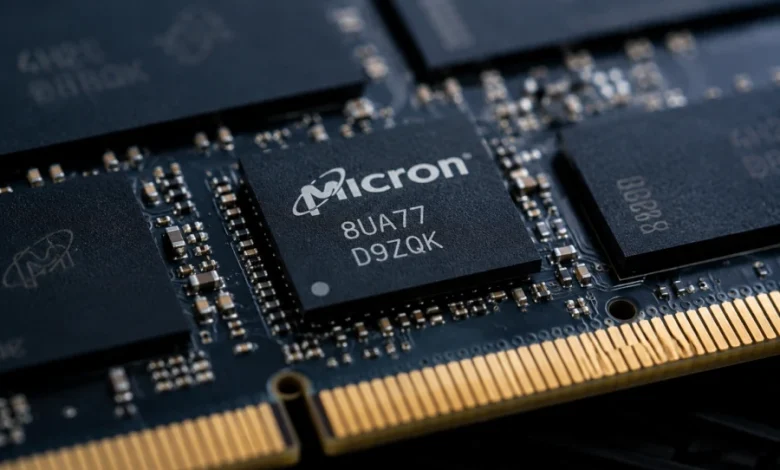
Shares of major memory chip manufacturers, including Micron Technology, SK hynix and SanDisk, plunged on November 5, 2026, as investors reacted to growing concerns about the impact of rising memory prices on the global technology industry. Micron shares reportedly fell approximately 15 per cent, while SK hynix declined nearly 11 per cent and SanDisk dropped around 19 per cent. The sell-off reflects increasing uncertainty about whether strong demand for artificial intelligence infrastructure can continue supporting the semiconductor industry.
The shortage is increasingly affecting consumer electronics manufacturers, particularly companies producing smartphones and other electronic devices. Apple CEO John Ternus reportedly described current memory pricing as unprecedented, highlighting the growing pressure on manufacturers. As memory components become more expensive, companies face difficult decisions about absorbing additional costs or transferring them to customers through higher device prices. These pressures could eventually weaken demand for smartphones, computers and other consumer electronics.
Qualcomm has also reported disappointing results in its smartphone business, with handset revenue falling 26 per cent to $5.14 billion. The decline has raised concerns among investors about the broader impact of expensive memory components and weaker smartphone demand on semiconductor suppliers. Meanwhile, the global shortage of high-bandwidth memory continues to affect companies developing advanced AI systems. SK hynix has previously warned that tight memory supply could persist until 2030, reflecting the enormous demand generated by AI data centres.
The latest market developments highlight a growing contradiction in the semiconductor industry: memory manufacturers are benefiting from limited supply and strong AI demand, yet their shares are falling as investors question the sustainability of rising prices and technology spending. If component costs continue increasing, smartphone manufacturers could face reduced sales, while consumers may delay upgrading their devices. The situation presents a major challenge for companies attempting to balance the growing demand for AI infrastructure with the financial realities of the wider consumer technology market.




