
Meta’s Smart Glasses Spark Global Privacy and Data Protection Concerns
AI-powered glasses are facing growing scrutiny over recording, data handling and the possibility of people being filmed without their knowledge or consent.

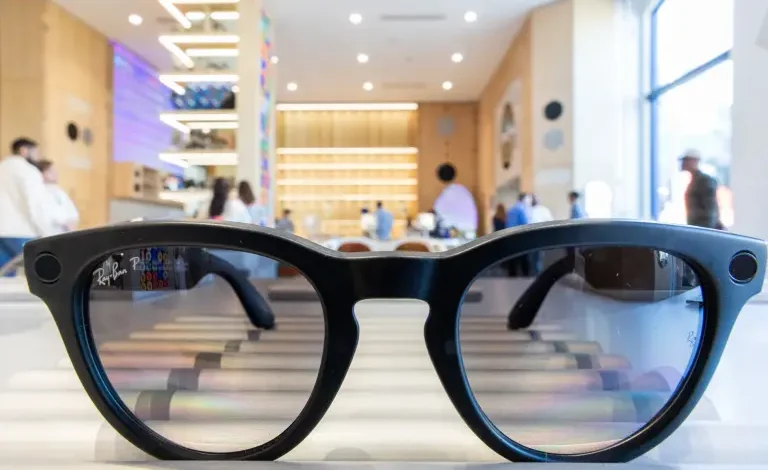
Meta’s AI-powered smart glasses, developed in partnership with eyewear brands such as Ray-Ban and Oakley, are facing growing privacy concerns as their popularity increases. The glasses combine conventional eyewear with cameras, microphones and artificial-intelligence features that allow users to capture photos and videos and interact with AI without using a smartphone. The technology has attracted significant consumer interest, but its ability to record people in everyday environments has raised questions about privacy and consent.
One major concern involves the possibility of people being recorded without realizing it. The glasses include an indicator light intended to show when recording is taking place, but reports have highlighted attempts to modify or bypass the indicator. Privacy advocates argue that this could make it difficult for people nearby to know when cameras are being used, particularly in locations where recording would normally be considered sensitive or inappropriate.
Concerns have also extended to the handling of recordings and other data generated through the devices. Reports cited by the OECD’s AI incident monitor said that human reviewers had accessed some intimate user data for AI-training purposes, prompting questions about how recordings are stored, processed and reviewed. Consumer and digital-rights groups in Brazil have reportedly raised complaints with authorities over potential unauthorized recording and data misuse.
The controversy is becoming an international issue as businesses and institutions consider restrictions on the technology. Some cinemas in the United Kingdom have reportedly introduced bans on smart glasses because of concerns about covert filming and piracy. At the same time, privacy researchers and advocacy groups are calling for clearer rules governing wearable cameras, particularly as AI makes it easier for devices to interpret and process information captured from the surrounding environment.
The debate comes as Meta prepares further developments in its smart-glasses strategy. Reports ahead of Meta Connect 2026 indicate that the company is expected to discuss additional smart-glasses products and privacy-related measures, including camera-free models designed partly in response to concerns surrounding recording. The situation illustrates the broader challenge facing AI wearables: manufacturers are trying to make the devices more useful and seamless while regulators, businesses and the public continue to debate how privacy and consent should be protected in an environment where cameras can be worn almost invisibly.




