Microsoft Unveils Maia 300 AI Chip to Challenge Nvidia and Power Copilot
Microsoft has introduced its third-generation Maia 300 AI accelerator, promising improved computing efficiency and higher processing capacity as it prepares to make its custom chips the primary infrastructure for running AI services from 2027.

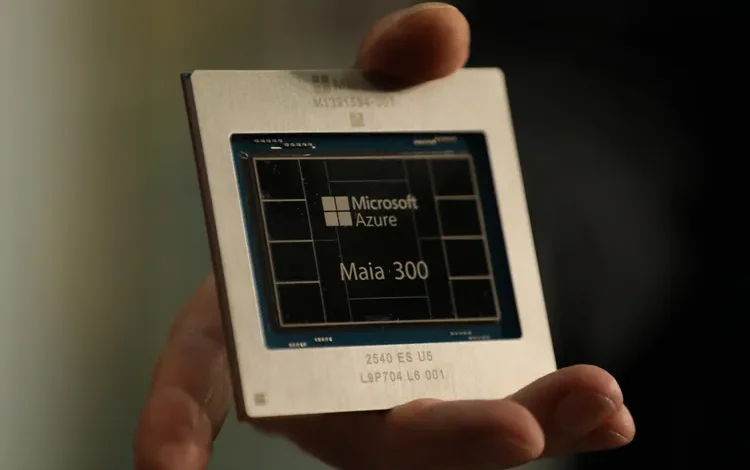
Microsoft has unveiled Azure Maia 300, its latest custom-designed artificial intelligence chip, as the company intensifies efforts to reduce its dependence on third-party processors and lower the cost of operating AI services. Announced on October 12, 2026, Maia 300 is designed to power demanding AI workloads, including complex reasoning, long conversations, software development and autonomous agents capable of completing tasks across multiple applications. Microsoft plans to begin large-scale deployments in 2027, with its Azure Maia chip family expected to become the primary inference system for Microsoft products and services. The announcement represents a significant step in Microsoft’s strategy to develop more of its AI infrastructure internally, allowing the company to optimise hardware and software together for the needs of its cloud platform.
One of the most notable claims is that Maia 300 will deliver 40% more AI tokens per megawatt than leading GPU-based systems. Tokens are the small units of text processed or generated by AI models, and higher token throughput can help data centres serve more requests using a given amount of electricity. Microsoft also says a fully configured Maia 300 rack can deliver up to seven times the token throughput of its predecessor, Maia 200. These improvements are particularly important as demand for AI assistants, coding tools and enterprise agents increases the amount of computing power required by cloud providers. The efficiency figures are based on Microsoft’s own comparisons, and the company has not publicly identified every competing system used in its headline benchmark.
The new accelerator features a chiplet-based architecture, combining specialised computing components with memory-controller and input/output functions. Microsoft says the primary compute chiplets use TSMC’s advanced 2-nanometre manufacturing process, while other components use 3-nanometre technology. The design includes eight HBM4 high-bandwidth memory stacks, with a reported peak memory bandwidth of 18 terabytes per second. A complete rack will contain 96 accelerators and consume approximately 167 kilowatts of power. By optimising memory movement, networking, computing and power management as a unified system, Microsoft aims to improve how efficiently large AI models run in its data centres. These architectural choices are intended to support memory-intensive workloads and agents that need to maintain context while carrying out long sequences of actions.
Maia 300 will build on the existing Maia 200 infrastructure, which Microsoft says is already running production workloads, including Microsoft Copilot and models developed by OpenAI and Microsoft’s own AI teams. The company expects GitHub Copilot and Microsoft Foundry to begin using Maia 200 by the end of 2026. Maia 300 is intended to support a broader range of services, including AI-assisted software development, enterprise model deployment, workplace productivity tools and Dragon Copilot, which helps healthcare professionals with clinical workflows. Microsoft is planning multi-gigawatt deployments of its Maia family from 2027, signalling that the chips are intended for large-scale commercial use rather than limited experimental testing. However, the company’s longer-term ambitions will depend on manufacturing capacity, deployment costs and the performance of the chips under real-world workloads.
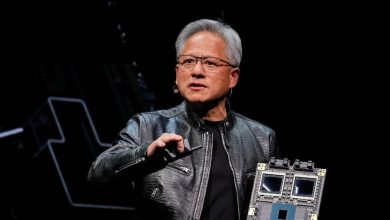
The announcement also highlights Microsoft’s efforts to compete more directly with Nvidia, whose graphics processing units have become central to the global AI infrastructure market. By designing its own accelerators, Microsoft hopes to gain greater control over chip availability, system efficiency and the cost of serving AI workloads. The strategy could help reduce exposure to shortages and pricing pressures in the external chip market, although Microsoft will continue to operate a diverse infrastructure platform rather than immediately abandoning third-party processors. The company has also committed substantial funding to expanding its data-centre capacity, with Reuters reporting that its capital expenditure is expected to exceed $175 billion in 2026. This investment reflects the scale of infrastructure required to support increasingly sophisticated AI products and services.
Microsoft’s Maia 300 launch reflects a wider industry shift in which cloud providers are developing specialised chips to improve AI performance and reduce operating costs. Google, Amazon and other major technology companies have also invested in custom silicon to support their AI platforms. For Microsoft, the challenge will be translating its efficiency claims into dependable performance at scale while ensuring that developers can use the hardware across different models and applications. The company plans to provide further technical information at Microsoft Ignite in November 2026. If Maia 300 delivers the promised improvements, it could strengthen Microsoft’s ability to expand Copilot and autonomous AI services while making its cloud infrastructure more efficient. Nevertheless, the chip’s real competitive impact will become clearer once large-scale deployments begin in 2027.