
Iran’s Revolutionary Guards Threaten Undersea Internet Cables and AI Data Centres
Iran’s Islamic Revolutionary Guard Corps has warned that undersea internet cables, artificial intelligence data centres and other digital infrastructure could become targets if fighting with the United States resumes, raising concerns about global connectivity and regional economic stability.

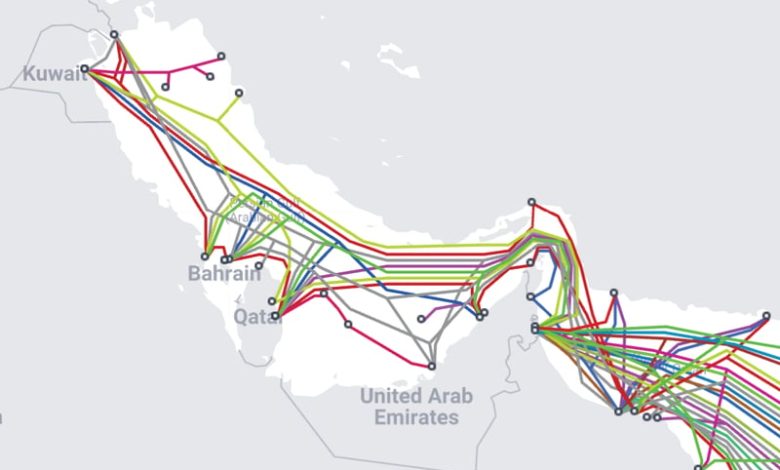
Iran’s Islamic Revolutionary Guard Corps (IRGC) has intensified its warnings against the United States and its regional partners, threatening to expand potential military targets to include critical digital infrastructure across the Persian Gulf. On October 19, 2026, IRGC spokesman Hossein Mohebbi said Tehran could reveal new weapons and additional targets if renewed aggression against Iran occurred. The warnings followed statements from senior Iranian officials suggesting that undersea fibre-optic cables, data centres and artificial intelligence facilities could be vulnerable in a future confrontation. The threats come amid continuing tensions over the conflict involving Iran and the United States, with both sides facing pressure over military operations and regional security. Although the statements have raised international concern, they represent warnings about possible future actions rather than confirmation that Iran has launched a new campaign against global internet infrastructure.
One of the most significant concerns involves the submarine fibre-optic cables that carry internet traffic between the Middle East, Asia and Europe. Mohebbi said seven major cables pass through the Persian Gulf and the Strait of Hormuz, highlighting the strategic importance of the underwater network. These cables support international communications, cloud computing, financial transactions and a wide range of online services. Damage to several important links could slow data transmission, disrupt business operations and increase pressure on alternative routes. Banks, technology companies, telecommunications providers and cloud-service operators depend on reliable international connectivity. However, the actual consequences of any cable damage would depend on which systems were affected, the availability of alternative routes and the speed at which repairs could be completed.
Iranian officials have also identified artificial intelligence infrastructure as a possible target. Mohsen Rezaei, a senior Iranian security figure, previously warned that data centres and AI facilities worth substantial sums could fall within range during a renewed conflict. The remarks are significant because major technology companies have invested heavily in cloud computing and AI infrastructure across the Gulf, particularly in countries seeking to establish themselves as international technology hubs. Modern data centres support AI model training, business applications, digital services and the storage of large volumes of information. An attack on such facilities could affect customers beyond the immediate location, depending on the services hosted there. Nevertheless, threats against infrastructure do not establish that a specific facility has been selected for an attack or that any such operation is imminent.
The warnings are also connected to tensions surrounding the Strait of Hormuz, one of the world’s most strategically important shipping routes. Iran has sought to assert greater control over maritime movements through the waterway, while the United States and regional governments have attempted to protect commercial shipping and maintain energy supplies. Recent reports have described attacks, attempted attacks and intimidation involving vessels travelling through the strait. The waterway is particularly important because significant volumes of oil and liquefied natural gas move through the region. Any further escalation could increase shipping insurance costs, disrupt energy exports and place additional pressure on global markets. Expanding threats to digital infrastructure would widen the potential economic consequences of the conflict beyond maritime trade and military operations.
The situation presents a challenge for governments and technology companies responsible for maintaining critical infrastructure. Telecommunications operators may need to strengthen cable monitoring and repair arrangements, while cloud providers and businesses could review backup systems, geographic redundancy and disaster-recovery plans. Governments may also face pressure to improve coordination between national security agencies and private technology companies to prepare for possible disruptions. At the same time, the warnings increase the risk that civilian communications and commercial infrastructure could become entangled in a wider military confrontation. For now, Iran’s statements indicate an intention to use the vulnerability of regional infrastructure as a strategic warning to Washington and its allies. Whether those threats lead to further attacks will depend on developments in the conflict and the decisions made by the parties involved.




