OpenAI Adds Cheaper GPT-6.1 Terra Model to Power Its Dots AI Assistants
The company is introducing a more affordable AI model to reduce the computing costs of its always-on personal assistants as demand for autonomous AI agents continues to grow.

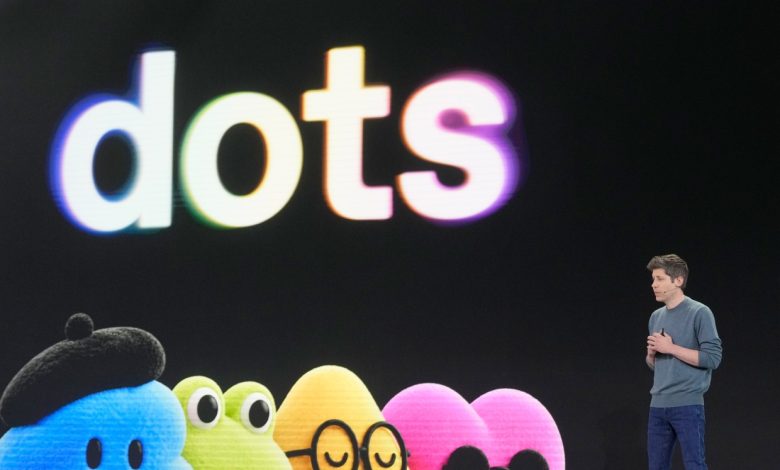
OpenAI has expanded the range of artificial intelligence models powering its Dots personal assistants by introducing GPT-6.1 Terra, a smaller and more affordable model designed to handle certain tasks. The announcement, made on November 3, 2026, allows Dots to distribute workloads between different models instead of relying entirely on the more expensive GPT-6 Astra. The move is intended to reduce computing expenses while maintaining the assistants’ ability to perform complex activities.
Dots are designed to operate as personal AI agents capable of completing tasks across connected applications and online services. Each assistant runs its own cloud computer to carry out instructions, interact with software and work on behalf of users. However, ChatGPT consumer business head Adam Fry acknowledged that the technology is particularly demanding on computing resources. He explained that the company is working to make the service more efficient as it expands its capabilities.
The introduction of GPT-6.1 Terra comes amid growing concerns about the financial sustainability of always-on AI assistants. Running autonomous agents continuously requires substantial computing power, increasing infrastructure costs for companies developing these products. OpenAI is not alone in facing this challenge, as Elon Musk has also described the operating costs of Grok Bot as unsustainably high relative to its revenue. The growing demand for AI computing infrastructure is placing additional pressure on technology companies to develop cheaper and more efficient systems.
Currently, Dots are available exclusively to ChatGPT Pro subscribers paying $100 monthly. Fry indicated that expanding access to more users would depend on major improvements in computing efficiency, although he expects costs to decline as the technology advances. OpenAI also hopes to introduce background mode, allowing Dots to remain active and work continuously without requiring constant user instructions. The latest development highlights a major challenge facing the AI industry: making increasingly capable autonomous assistants affordable enough for widespread adoption.