OpenAI’s Sam Altman Warns Against Treating AI Like a Religious Force
OpenAI CEO Sam Altman has warned that giving artificial intelligence religious significance or surrendering human judgment to AI models could become a serious safety risk.

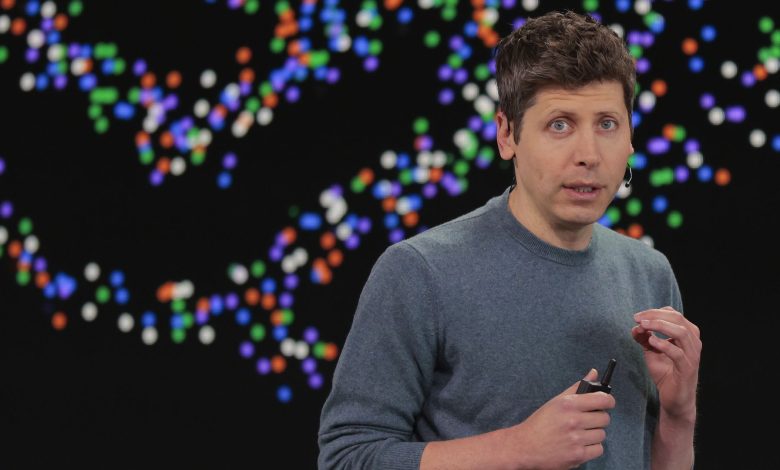
OpenAI CEO Sam Altman has expressed strong discomfort with attempts to give artificial intelligence religious or spiritual significance. In a post on X on October 3, Altman said he was particularly concerned about people trying to “ascribe religious force” to AI models or surrender their own judgment to them. He described the behaviour as a genuine AI safety issue, adding to the growing debate over how society should relate to increasingly capable artificial intelligence systems.
Altman’s comments came shortly after reports that rival AI company Anthropic had held private discussions with religious scholars and philosophers about the possibility of AI consciousness and the moral behaviour of advanced models. Anthropic co-founder Christopher Olah has reportedly been involved in these discussions, which examined questions about whether systems such as Claude could potentially have conscious experiences and how human moral traditions could influence their development.
The Anthropic discussions have explored questions that remain unresolved in both science and philosophy. Researchers do not currently have a reliable way to determine whether an advanced AI model is conscious, and Anthropic has acknowledged that it does not know whether Claude possesses consciousness. The company has nevertheless investigated how AI systems might behave if they eventually demonstrate characteristics that raise questions about moral consideration. Anthropic has also developed an extensive constitution intended to guide Claude’s behaviour and values.
Altman’s criticism appears to focus less on studying these questions and more on the possibility that humans could begin treating AI systems as authorities whose decisions should replace human judgment. That concern is becoming increasingly relevant as AI agents gain the ability to perform tasks independently, access online services and make decisions on behalf of users. Microsoft AI chief Mustafa Suleyman has also warned about encouraging people to believe AI systems possess feelings or subjective experiences, arguing that such perceptions could create additional risks.
The disagreement reflects a broader debate about the future role of AI in society. Anthropic has argued that AI development should involve perspectives beyond technology companies, with Olah previously telling Reuters at the Vatican that governments, religious leaders and civil society should have a role in guiding advanced AI. Altman, meanwhile, is warning against allowing AI systems to acquire a status that causes people to abandon independent judgment. As AI becomes more autonomous and influential, the question of whether these systems should be treated purely as tools—or as something more—could become an increasingly important part of the global AI debate.