Paris Trials Begin After October 17 Riots and Widespread Looting
French courts have begun fast-tracking cases against people arrested during the October 17 demonstrations, with defendants facing charges ranging from assaulting police officers to theft and handling stolen goods amid growing debate over judicial independence and public order.

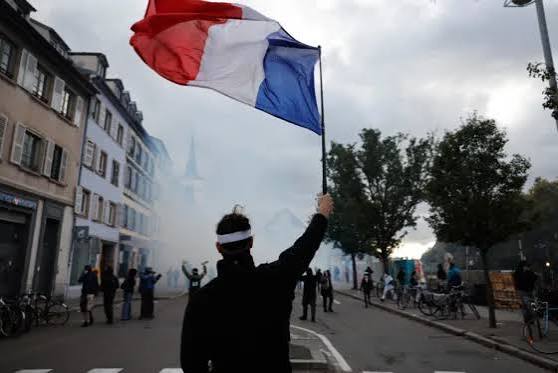
French courts have begun hearing cases against people arrested during the violent demonstrations and looting that swept parts of Paris and other cities on October 17, 2026. The proceedings, which started on October 19 and continued into the following week, have placed considerable pressure on the judicial system as authorities attempt to process a large number of defendants quickly. According to French authorities, 2,513 people were taken into police custody nationwide on October 17 alone. In Paris, the scale of the cases prompted the authorities to expand the number of courtrooms handling immediate trials and introduce additional security checks at the courthouse. The hearings have attracted journalists, students, families of defendants and members of the public, reflecting the national attention surrounding the unrest and the government’s response.
The demonstrations were linked to public anger over the rising cost of living, but parts of the protests descended into violence, vandalism and widespread looting. Businesses in several areas suffered damage as groups broke into shops and took merchandise, while police officers faced projectiles and confrontations. In Paris, prosecutors reported 855 arrests on October 17 and another 208 on October 18. The cases included alleged property offences, participation in groups associated with violence and assaults against public officials. The disruption extended beyond the capital, with other French cities also dealing with damage to businesses and a large number of arrests. The scale of the incidents has intensified calls for accountability, particularly from business owners who suffered financial losses and residents concerned about public safety.
At the Paris Judicial Court, several defendants presented sharply different accounts of their alleged involvement. One 21-year-old audiovisual production student denied throwing paving stones or attacking police officers, saying he had attended the demonstration with his girlfriend and became caught in the disorder. He was also found carrying a smoke canister, which he claimed he intended to use while making a short film with friends. In another case, two men were accused of stealing luxury goods from a Louis Vuitton concession at the Printemps department store. One admitted taking merchandise, while the other claimed he had become trapped inside the shop. An 18-year-old defendant accused of throwing projectiles, resisting arrest and handling stolen goods said he had found sunglasses and a T-shirt on the ground and did not know they had been stolen. These explanations were considered alongside the evidence presented by prosecutors and police.
The trials have also triggered criticism from defence lawyers, who argue that the rapid processing of cases risks undermining defendants’ rights. Representatives of lawyers’ collectives protested what they described as an excessive reliance on repression and warned against political interference in judicial decisions. Their concerns followed Justice Minister Gérald Darmanin’s call for the authorities to respond with “utmost firmness” and his public remarks about the arrests and prosecutions. Lawyers maintain that judges must remain independent and that each case should be assessed on its own evidence, regardless of political pressure or public anger. The unusually heavy caseload has also raised practical concerns about whether defendants have sufficient time to consult their lawyers and prepare an effective defence before immediate trials.
Despite prosecutors seeking prison sentences in several cases, the courts imposed different penalties depending on the circumstances and the defendants’ records. The 21-year-old student received a six-month suspended sentence, while the 18-year-old accused of handling stolen goods and other offences received a ten-month suspended sentence. In the Louis Vuitton case, one defendant was sentenced to ten months under a semi-liberty arrangement, allowing him to continue working during the day while serving his sentence under restrictions; his accomplice received six months under electronic monitoring. Another defendant was released under judicial supervision pending a later hearing. The outcomes illustrate the courts’ attempt to distinguish between individual cases while responding to serious allegations arising from the unrest. Further proceedings and civil hearings are expected to address additional cases and compensation for affected businesses.