
Amazon Eyes $8 Billion Nvidia Chip Deal to Ease AI Infrastructure Costs
Amazon is reportedly considering transferring approximately $8 billion worth of advanced Nvidia AI chips to outside investors and leasing them back, as technology companies explore new ways to finance the rapidly growing costs of artificial intelligence infrastructure.

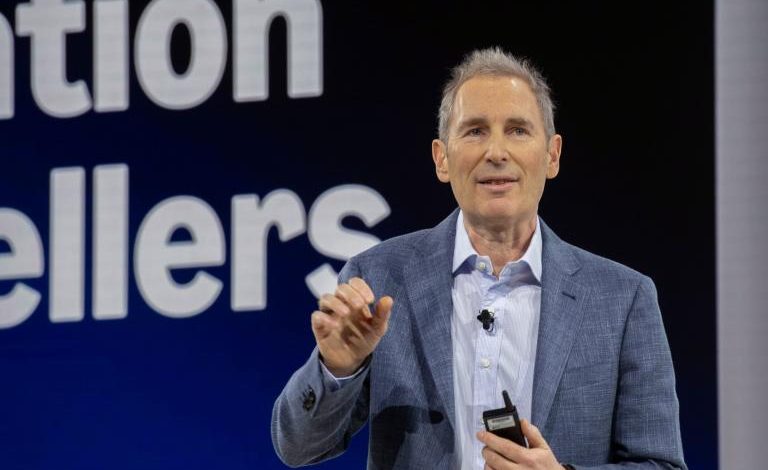
Amazon is reportedly seeking to transfer approximately $8 billion worth of advanced artificial intelligence chips from Nvidia to external investors through a special-purpose financing vehicle. According to a report published by the Financial Times on October 2, 2026, the proposal would allow Amazon to sell thousands of Nvidia Grace Blackwell chips already deployed or being installed in its United States data centres. Amazon would then lease the chips back from the investment vehicle, allowing its cloud computing business, Amazon Web Services (AWS), to continue using the hardware while reducing the amount of expensive equipment held directly on its balance sheet. The discussions reportedly remain ongoing, and the final structure and terms of the proposed transaction have not been confirmed.
Under the proposed arrangement, the special-purpose vehicle would raise money from investors by issuing debt to finance the chip purchases. The Financial Times reported that Amazon was considering offering investors an equity stake of up to 10% in the vehicle. The chips involved are reportedly deployed across more than a dozen data centres in five US states, including Nevada and Virginia. By transferring ownership of the equipment while retaining access through leasing agreements, Amazon could free up capital for other investments without immediately giving up the computing capacity needed to support its customers. However, the financial benefits would depend on the final financing terms, lease payments and accounting treatment of the transaction.
The proposal comes as Amazon prepares for substantial spending on artificial intelligence infrastructure. The company is expected to invest approximately $220 billion in capital expenditure during 2026, with a significant proportion directed towards AWS data centres, advanced processors and supporting infrastructure. Demand for computing power has increased as technology companies develop more sophisticated AI models and deploy autonomous agents, enterprise assistants and other AI-powered services. Amazon has also announced an expanded partnership with Nvidia that includes plans to deploy an additional two million Nvidia GPUs across AWS infrastructure during 2027 and 2028. These investments demonstrate the scale of the computing resources cloud providers believe they will need to remain competitive in the expanding AI market.
The potential transaction also reflects a broader shift in how technology companies finance their AI ambitions. Building data centres requires substantial upfront investment in chips, networking equipment, cooling systems, electricity infrastructure and buildings. Some companies are increasingly turning to external investors and specialised financing arrangements rather than funding every asset through conventional corporate borrowing. Nvidia has also introduced a financing initiative intended to support loans backed by AI hardware, highlighting the growing role of financial institutions in funding the industry’s expansion. However, these arrangements can introduce additional financial risks if the value of the equipment declines, lease costs rise or demand for AI computing fails to meet expectations. Investors will therefore need to examine the underlying contracts and liabilities rather than focusing only on the headline value of a transaction.
For Amazon, the proposed $8 billion deal could provide greater flexibility as it competes with Microsoft, Google and other cloud providers for AI customers. Leasing the chips back would allow AWS to continue offering computing services without having to retain direct ownership of all the hardware involved. Nevertheless, the arrangement would not eliminate the economic cost of using the chips, since Amazon would still have to make lease payments and maintain the surrounding infrastructure. The long-term impact will depend on whether the transaction improves the company’s access to capital without creating excessive financing obligations. Although Amazon has not confirmed the reported deal, the discussions illustrate how the race to build AI infrastructure is reshaping both technology investment and corporate finance.




