Sam Altman Says Society Must Accept Some AI Risks for Greater Benefits
OpenAI CEO Sam Altman argues that artificial intelligence should remain widely accessible despite the possibility of misuse, reigniting debate over AI safety, government regulation and the responsibility of technology companies.

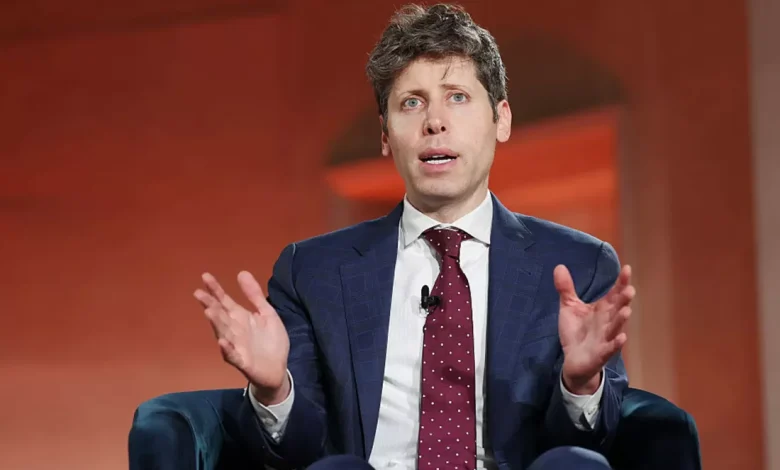
OpenAI chief executive Sam Altman has sparked fresh debate about artificial intelligence safety after arguing that society should accept some negative consequences in exchange for the technology’s potential benefits. In an interview with Politico’s technology-focused newsletter Decoded, published in early October 2026, Altman said the world should accept that some harmful incidents may occur as AI becomes more widely available. He pointed to the possibility of cyberattacks, scams and other forms of misuse, arguing that preventing every negative outcome could require restrictions that limit access to powerful technology. Altman maintained that AI could deliver benefits on a much greater scale than the harm it causes, although his remarks have raised questions about how those risks should be measured and who should bear the consequences when things go wrong.
Altman’s comments reflect OpenAI’s position that advanced AI systems should be made broadly available rather than controlled by a small number of companies or institutions. He criticised the idea that a single AI laboratory should have the authority to determine who can access powerful models because of concerns about potential dangers. According to Altman, such an arrangement would create an unacceptable trade-off between safety and public access. He instead supports a comparatively lighter approach to regulation, arguing that individuals and organisations should have opportunities to use AI to develop products, conduct research and solve problems. His position reflects a central policy debate in the industry: whether AI risks are best managed through strict restrictions on access or through widespread deployment supported by safeguards, accountability and appropriate oversight.
The remarks have attracted criticism from people concerned that accepting some AI-related harm could weaken incentives to prevent foreseeable dangers. Cybersecurity incidents, fraudulent content, automated scams and the misuse of AI-generated material can affect individuals, businesses and public institutions. Critics argue that the benefits of AI should not be used to dismiss preventable harm, particularly when the people who profit from developing the technology may not be the same people who suffer its consequences. They also question how companies would determine what level of risk is acceptable and what protections should be guaranteed to users. Altman’s comments do not establish that OpenAI intends to permit specific harmful activities; rather, they highlight his argument that eliminating every possible risk is unrealistic and could restrict the technology’s broader benefits.
Altman’s position also differs in emphasis from the approach advocated by Anthropic chief executive Dario Amodei, who has called for the AI industry to slow the pace of development when necessary to keep safety measures aligned with increasingly capable systems. The disagreement illustrates divisions within the technology sector over how to manage AI development. Some industry leaders emphasise rapid innovation, competition and broad access, while others place greater emphasis on controlling deployment until potential dangers are better understood. The debate has become more urgent as AI systems gain capabilities in software development, cybersecurity, scientific research and autonomous task execution. These capabilities could improve productivity and accelerate discoveries, but they may also introduce new security challenges if powerful tools are misused or deployed without sufficient safeguards.
The controversy is likely to keep pressure on technology companies and governments to explain how AI risks should be managed in practice. Supporters of broader access argue that excessive restrictions could concentrate technological power and prevent smaller businesses, researchers and ordinary users from benefiting from AI. Advocates of stronger safeguards counter that voluntary commitments may be insufficient without independent testing, transparency and enforceable standards. A workable approach may require balancing innovation with measures such as security evaluations, monitoring, clear accountability and protections for people affected by AI-driven decisions. Altman’s comments have not resolved this debate, but they have brought one of its central questions into sharper focus: how much risk society should tolerate to obtain the benefits of increasingly powerful artificial intelligence.