
Smart TV Owners Use Claude Code to Remove Ads and Unwanted Apps
Developers are using AI coding agents such as Claude Code to redesign smart TV interfaces, remove unwanted applications and disable advertising features, giving users greater control over their devices without necessarily requiring advanced programming skills.

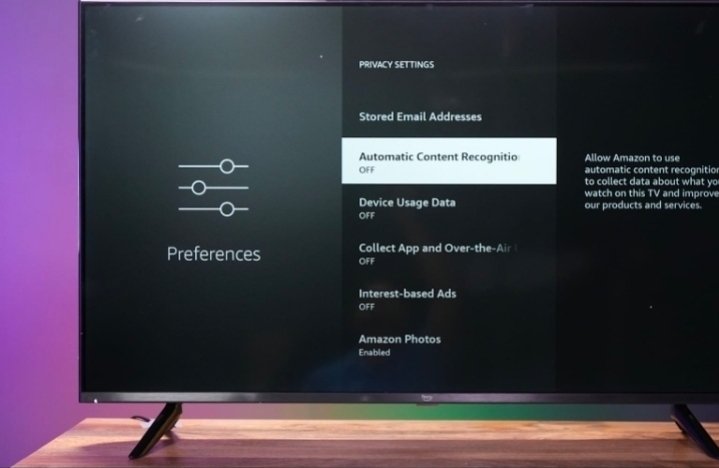
Smart TV owners are increasingly turning to artificial intelligence to remove advertisements, disable unnecessary applications and improve the performance of their televisions. The trend gained attention in October 2026 after developers shared examples of using AI coding assistants to modify smart TV software through local network connections. Instead of accepting the default interfaces installed by manufacturers, users are instructing AI agents to create simpler home screens, remove unwanted software and make frequently used streaming applications easier to access. According to TechCrunch, two projects attracting attention are CleanYourTV and DumbTV, which aim to give users greater control over their television interfaces. The development demonstrates how AI coding tools are extending beyond websites and mobile applications into everyday consumer electronics.
One example involves a developer who used Anthropic’s Claude Code to customise a Xiaomi television belonging to his parents. Frustrated by sponsored advertisements appearing before the family could access streaming services, he instructed the AI coding agent to connect to the television, disable approximately 25 pre-installed software packages and build a replacement home screen. The developer subsequently shared the approach online, prompting other users to experiment with similar modifications. Reports indicate that people have tried comparable techniques on devices from manufacturers including Xiaomi, Sony, TCL, Hisense and Philips. The attraction is straightforward: owners can potentially simplify their television experience without purchasing a separate streaming device or replacing a television that still functions properly.
Another project, called DumbTV, focuses on reducing unnecessary software and providing a cleaner television interface. Its stated objective is to let televisions concentrate on the functions owners actually use, such as running streaming applications and switching between HDMI inputs, rather than displaying unwanted promotions. The project has been tested on Fire TV and Android TV or Google TV platforms, according to its developers. AI coding tools can help users interpret device-specific instructions, automate software-management tasks and configure alternative launchers. Importantly, these projects generally modify the existing software environment rather than replacing the television’s entire operating system. Their growing popularity illustrates how AI-assisted programming can make technical customisation more accessible to people who might otherwise struggle to modify their devices manually.
The trend could also challenge the advertising business surrounding connected televisions. Many modern smart TVs use automatic content recognition technology, which can identify what users watch through information derived from screen images, audio or digital fingerprints. Depending on the manufacturer and the user’s settings, viewing information may be used for analytics, recommendations or targeted advertising. Removing certain applications or replacing a television’s home screen may reduce some promotional content, although it does not automatically eliminate every form of tracking or advertising within streaming services. For manufacturers, television advertising and data-related services can represent an additional source of revenue beyond the original hardware sale. If more consumers begin using AI-assisted tools to customise their devices, manufacturers may face greater pressure to provide less intrusive interfaces and clearer privacy controls.
However, modifying a television with an AI agent carries technical risks. An AI system may misunderstand a device’s configuration, disable an important system package or recommend commands that make the television unstable. Some users have reportedly experienced incomplete modifications, while at least one reported incident involved an Android TV becoming unusable after an attempted modification. Compatibility also varies between manufacturers and operating systems, meaning a procedure that works on one television may fail on another. Users should therefore verify instructions, preserve the ability to restore previous settings and avoid granting unrestricted access to devices or networks. Despite these limitations, projects such as CleanYourTV and DumbTV highlight an emerging shift towards greater consumer control over connected hardware. As AI coding agents become more capable, similar approaches could eventually help people customise other household devices, provided convenience is balanced with security and reliability.




