
SoftBank Shares Slide After Completing $30 Billion OpenAI Investment
SoftBank shares declined after the Japanese investment giant completed its latest $10 billion payment to OpenAI, bringing its total investment in the artificial intelligence company to $64.6 billion.

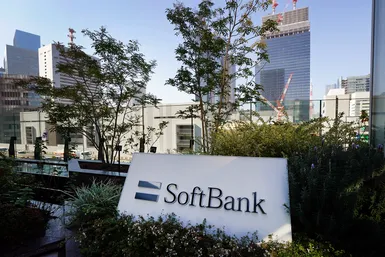
Shares of SoftBank Group fell on October 2, 2026, after the Japanese technology conglomerate confirmed that it had completed the final instalment of its additional $30 billion investment in OpenAI. The company announced that it had transferred another $10 billion through its Vision Fund 2, completing the three-part investment arrangement originally announced in February. Despite the scale of the commitment, SoftBank’s shares dropped approximately 5.6% during Friday’s trading session, reflecting investor concerns about the company’s growing exposure to artificial intelligence and the financial resources required to support its ambitions. The latest investment further strengthens SoftBank’s position as one of OpenAI’s largest financial backers.
Following the completion of the investment, SoftBank disclosed that its cumulative financial commitment to OpenAI had reached approximately $64.6 billion. The Japanese conglomerate now holds an ownership interest of around 13% in the company behind ChatGPT. The latest $10 billion payment was financed through proceeds from foreign-currency-denominated senior notes issued by SoftBank. The investment reflects founder Masayoshi Son’s strategy of positioning the company at the centre of the global AI industry, with OpenAI representing one of its most significant technology investments. Son has repeatedly expressed confidence that artificial intelligence will transform industries and create major commercial opportunities over the coming years.
SoftBank also announced changes to its financing arrangements following the completion of the investment. The company cancelled the remaining $10 billion of undrawn capacity under a $40 billion bridge facility, effective September 30. It also confirmed that all borrowings under the facility had been repaid following an earlier repayment. Although this removes the outstanding commitments associated with that particular financing arrangement, investors remain attentive to how SoftBank will fund its wider AI expansion. The company has been committing substantial resources to artificial intelligence infrastructure, semiconductor technology and related businesses, making its financial position an important consideration for shareholders.
The decline in SoftBank shares highlights the uncertainty surrounding the economics of the artificial intelligence industry. Technology companies are spending enormous amounts on advanced chips, data centres, computing infrastructure and AI development, while investors increasingly want evidence that these investments can generate sustainable returns. SoftBank’s substantial commitment to OpenAI exposes it to the company’s future performance, fundraising activities and ability to compete against other major AI developers. Any concerns about OpenAI’s growth prospects or the broader AI market could therefore influence investor confidence in SoftBank. However, a fall in the company’s share price following the investment does not necessarily mean that investors have rejected OpenAI’s long-term prospects; it also reflects concerns about valuation, financing and investment risk.
The development represents another major step in Masayoshi Son’s effort to make SoftBank a leading force in the global artificial intelligence economy. By increasing its ownership in OpenAI to approximately 13%, the company has strengthened its financial relationship with one of the industry’s most influential AI developers. However, the size of the investment means that SoftBank’s future performance will be closely watched alongside OpenAI’s commercial growth and the wider technology market. Investors will be looking for stronger evidence that massive spending on AI can translate into long-term profitability. For now, SoftBank has completed its $30 billion follow-on investment, but the market reaction demonstrates that confidence in the AI opportunity is increasingly being weighed against the financial risks involved.




