Taraba Massacre: Survivors Count Over 20 Bodies After Gunmen Attack Binnari
Survivors of a deadly gun attack in Binnari community, Taraba State, say they counted more than 20 bodies after armed men stormed the village, while police initially confirmed 10 deaths and Amnesty International reported a higher toll of at least 40.

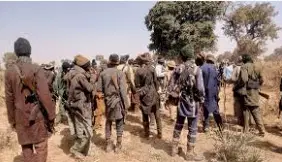
At least 20 people were reportedly killed when armed men invaded Binnari community in Karim Lamido Local Government Area of Taraba State on Friday, October 23, 2026. Survivors told the Agence France-Presse (AFP) that the attackers arrived on motorcycles and opened fire shortly after Friday prayers, forcing residents to flee in different directions to escape the violence. The assault left residents searching for missing relatives and trying to establish the full number of casualties. Sa’idu Nuhu, one of the residents, said community members counted more than 20 bodies after the gunmen left, adding that some people were still missing. Another resident, Isiyaku Musa, also reported that at least 20 people had died. The attack has renewed concerns about the safety of rural communities facing repeated armed assaults.
According to community leader Malam Abubakar Saifullahi, the attackers arrived on approximately 50 motorcycles, with two people riding on each motorcycle. The armed men reportedly raided shops, took cash, foodstuffs and other provisions, and seized motorcycles abandoned by residents fleeing for safety. Witnesses described scenes of panic as villagers attempted to escape the shooting and find shelter. The reported looting compounded the losses suffered by residents, many of whom depend on farming and small-scale trading for their livelihoods. The loss of food supplies and other essential belongings could make recovery more difficult for affected households, particularly if residents remain afraid to return to their homes.
The death toll remains disputed, with different figures reported by residents, security authorities and human rights organisations. The Taraba State Police Command initially confirmed that 10 bodies had been recovered by Friday evening. However, survivors reported more than 20 deaths, while Amnesty International Nigeria said at least 40 people had been killed. These differences highlight the difficulty of establishing the full scale of the attack immediately after violence in a rural community. The figures should therefore be treated according to their respective sources until authorities complete further investigations and account for missing residents. Amnesty International condemned the killings and criticised what it described as the repeated failure of authorities to protect vulnerable communities and bring suspected perpetrators to justice.
The attack has also renewed concerns about the security situation in Karim Lamido and other parts of Taraba State. Rural communities in parts of Nigeria continue to face attacks by armed groups involved in killings, kidnapping for ransom and the looting of property. Although Taraba has experienced different forms of communal and criminal violence, the identity and motive of the Binnari attackers had not been conclusively established in the initial reports. Residents need protection not only during emergency responses but also through sustained security operations, reliable intelligence gathering and investigations capable of identifying those responsible. The conflicting casualty figures also underline the importance of locating missing people and ensuring that affected families receive accurate information about their relatives.
The killings have intensified calls for stronger protection of rural communities and greater accountability for attacks against civilians. Establishing the full death toll, investigating the circumstances of the assault and identifying the perpetrators are among the immediate priorities following the incident. Authorities also face the challenge of reassuring residents who may fear further attacks and helping affected households recover from the loss of family members, property and essential supplies. While the higher casualty figures reported by survivors and Amnesty International remain significantly above the police’s initial count, the discrepancy makes a thorough investigation particularly important. The Binnari attack is another reminder of the serious consequences of persistent insecurity for communities whose residents depend on safe access to their homes, farms, markets and places of worship.