
King Charles Hosts AI Leaders for AI Safety Talks
Britain’s King Charles III is bringing major technology leaders together to discuss how artificial intelligence can advance while remaining focused on human safety and the wider public interest.

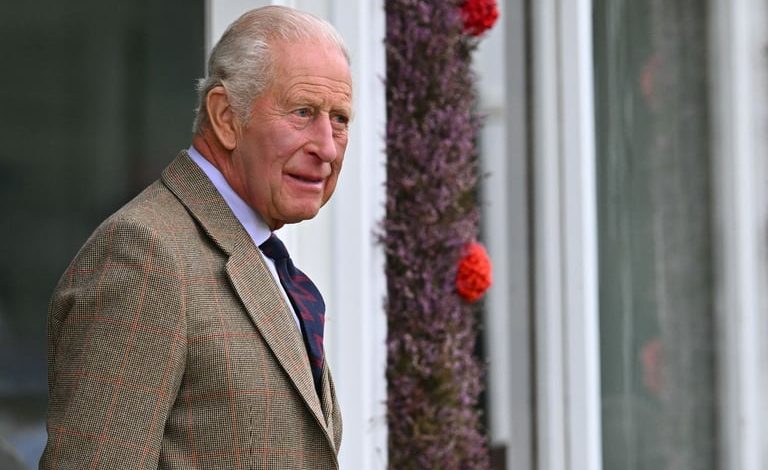
King Charles III is hosting senior figures from some of the world’s leading artificial intelligence companies at Dumfries House in Scotland as concerns grow over the speed and potential risks of increasingly powerful AI systems. Executives from Nvidia, Google DeepMind, OpenAI and Anthropic are among those attending, alongside Britain’s Minister for Artificial Intelligence Kanishka Narayan and other representatives from technology, government and charitable organisations. The meeting is intended to create an open discussion about how AI can be developed and used in ways that benefit society while protecting human interests.
The summit comes at a time when debate over AI safety has intensified. Anthropic chief executive Dario Amodei has recently called for the industry to slow the pace of development of frontier AI models so that safety measures can keep up with their growing capabilities. Other technology leaders have expressed different views on how such safeguards should be achieved, creating an ongoing debate about regulation, voluntary industry standards and international cooperation. The discussions at the Scottish summit therefore come against a background of disagreement over how quickly AI should advance and who should be responsible for managing its risks.
Charles has previously spoken about the importance of ensuring that technological progress benefits society. At the latest meeting, he is expected to encourage AI leaders to consider shared principles that could guide the future application of the technology. Reports indicate that a draft charter prepared by the Ditchley Foundation focuses on using AI not only to improve capability and efficiency, but also in ways that uphold human dignity and contribute to the wellbeing of people and the environment. The discussions also include areas such as AI’s impact on young people, businesses, the environment and developing communities.
The meeting highlights how quickly artificial intelligence has moved from being primarily a technology-industry issue into a much broader societal discussion. Questions about AI safety now involve governments, researchers, businesses and civil society, particularly as AI systems become capable of performing increasingly complex tasks. The summit is not expected to produce a formal international agreement, but it provides an opportunity for major players to discuss common principles and possible safeguards. As AI continues to develop, the challenge will be finding a balance between technological progress and measures that ensure the technology remains accountable, secure and beneficial to people.




