
Tesla Energy Chief Mike Snyder Exits as Company Expands AI and Robotics Focus
Tesla’s vice president of energy and charging, Mike Snyder, has reportedly stepped down after more than a decade at the company, raising questions about leadership continuity as the electric-vehicle maker expands its energy storage business and prioritises artificial intelligence and robotics.

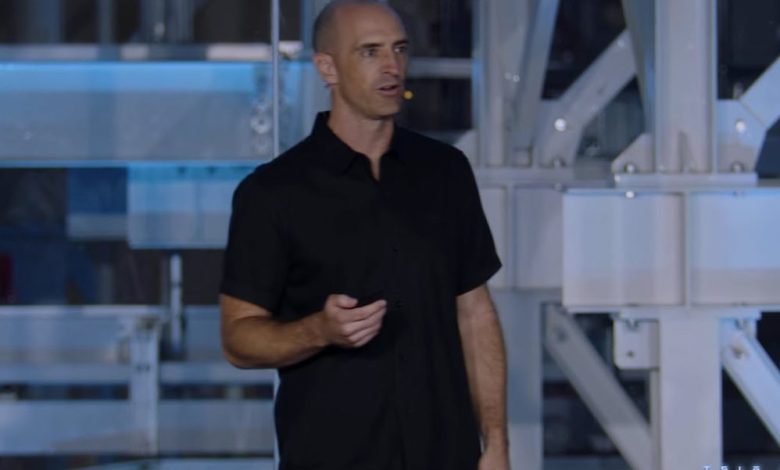
Tesla has reportedly lost one of its senior energy executives, with Mike Snyder stepping down from his position as vice president of energy and charging. According to a report published by The Wall Street Journal on October 15, 2026, Snyder’s departure was confirmed by people familiar with the matter. He joined Tesla in 2014 as a staff electrical engineer and gradually advanced through the company’s engineering and energy divisions. He was promoted to vice president in 2024, taking on a senior role overseeing important parts of Tesla’s energy operations. His exit marks another leadership change at the company, which has experienced several senior departures during a period of organisational restructuring and strategic transformation. Tesla had not publicly explained Snyder’s departure at the time of the report.
During his time at Tesla, Snyder became closely associated with the company’s industrial energy storage business, particularly its Megapack battery division. These large-scale battery systems are designed to store electricity and help stabilise power grids, support renewable energy and provide backup power for energy-intensive facilities, including data centres. Tesla has been expanding this part of its business as demand for reliable electricity storage grows alongside the development of artificial intelligence infrastructure. Snyder was promoted to vice president following a company-wide restructuring that also saw the departure of longtime energy executive Drew Baglino. According to reports, AJ Booth, Tesla’s senior director of energy products engineering, is expected to succeed Snyder. The company has not publicly detailed the transition or disclosed Snyder’s next professional plans.
The leadership change comes as Tesla’s energy business continues to expand, despite electric vehicles remaining the company’s largest source of revenue. Tesla reported that the amount of battery energy deployed through its energy business increased by 9.6% in the third quarter of 2026. Energy products accounted for approximately 11% of Tesla’s total revenue during the first half of the year, while automotive sales represented around 70%. The company sells industrial-scale Megapack systems as well as Powerwall batteries for residential energy storage. These products allow Tesla to participate in the growing market for electricity storage, particularly as power providers seek ways to manage fluctuating renewable energy generation and rising demand from data centres. The figures suggest that energy is becoming a more significant part of Tesla’s operations, although it remains smaller than the automotive division.
Tesla is also pursuing major investments in energy infrastructure while CEO Elon Musk places increasing emphasis on artificial intelligence, autonomous driving and robotics. The company has proposed a $10 billion solar factory in Texas as part of its broader energy ambitions. At the same time, Tesla is investing heavily in robotaxis, humanoid robots and AI systems that could eventually reshape its business model. The shift creates opportunities but also presents challenges, as the company must allocate resources across businesses with different production requirements, regulatory conditions and development timelines. Tesla’s energy division could benefit from the electricity demands of AI data centres, while the company’s automotive and robotics projects compete for investment and management attention. Snyder’s departure does not establish that the energy business is losing importance, but it comes at a time when Tesla is redefining its long-term priorities.
The departure is likely to draw attention from investors and industry observers because Tesla’s energy storage operations have become an important growth area beyond vehicle manufacturing. Changes in senior leadership can affect business continuity, project execution and relationships with suppliers, although there is currently no confirmed evidence that Snyder’s exit will disrupt Tesla’s energy expansion. The appointment of AJ Booth could provide continuity through an executive already involved in energy products engineering. Tesla’s future performance in the sector will depend on its ability to scale battery production, manage costs and meet growing demand for grid-scale storage. For now, the reasons behind Snyder’s departure remain undisclosed, and Tesla has not provided a detailed public statement. The leadership change is another development to watch as the company balances its established electric-vehicle business with its ambitions in energy, AI and robotics.




