Tesla Unveils Long-Delayed Roadster With SpaceX-Inspired Thrusters
Tesla has unveiled its redesigned electric Roadster featuring rocket-style thrusters developed with SpaceX, but production is not expected to begin until 2028, nearly a decade after the next-generation vehicle was first announced.

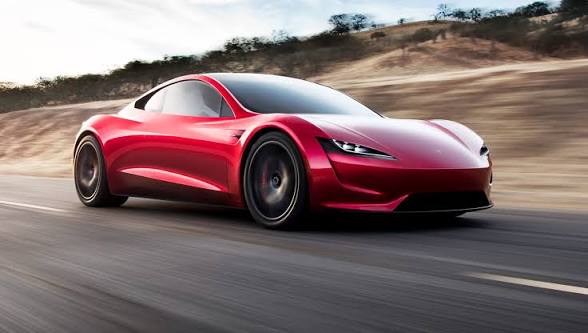
Tesla has finally unveiled its long-delayed next-generation Roadster, presenting a redesigned electric sports car featuring dramatic demonstrations involving rocket-style thrusters. The unveiling took place on October 15, 2026, at an event in McGregor, Texas, marking a major milestone for a vehicle first announced in November 2017. Tesla CEO Elon Musk has repeatedly promised that the Roadster would deliver exceptional acceleration and performance, but the project has experienced several delays as the company shifted its priorities towards electric vehicles, autonomous driving and robotics. According to Reuters, Tesla now expects production to begin in 2028, meaning customers will have to wait longer before the vehicle becomes commercially available.
One of the most unusual features demonstrated during the unveiling was the vehicle’s rocket-style propulsion technology, developed in collaboration with SpaceX. During the presentation, the Roadster reportedly performed dramatic aerial manoeuvres, including turning in mid-air and jumping over other vehicles using its built-in thrusters. The demonstrations were designed to highlight the engineering possibilities created by combining electric vehicle technology with concepts associated with aerospace engineering. However, the performance shown at the event does not establish that every demonstrated capability will be available on the production model. Details about the final specifications, certification requirements and practical use of the thruster system remain important questions as Tesla moves towards manufacturing.
Tesla also outlined ambitious performance targets for the new Roadster. Musk said the vehicle would be capable of accelerating from zero to 60 miles per hour in less than one second, while its projected top speed would exceed 230 miles per hour. The company also indicated that the car could travel more than 300 miles on a single charge. These figures would place the Roadster among the most ambitious electric performance cars being developed, although they will need to be assessed against independently verified production specifications and real-world testing. The projected range is also substantially lower than the 620 miles Tesla originally promised when the second-generation model was announced in 2017, illustrating how the vehicle’s specifications have evolved during its prolonged development.
The Roadster’s unveiling comes as Tesla increasingly focuses on artificial intelligence, autonomous transportation and humanoid robotics. The company has been expanding its Cybercab robotaxi programme, which uses a purpose-built two-seat vehicle without conventional steering controls or pedals. Tesla sees autonomous driving as a potential source of future growth as competition intensifies in the global electric vehicle market. However, the company continues to face questions about the pace of its technological development and the commercial viability of its long-term ambitions. Analysts have also pointed out that the Roadster is likely to be a relatively low-volume product, meaning its direct contribution to Tesla’s revenue may be limited compared with its mass-market vehicles and autonomous transportation services.
Despite its limited expected production volume, the Roadster could serve as an important demonstration of Tesla’s engineering capabilities and its close relationship with SpaceX. The vehicle’s unusual design and proposed thruster technology could strengthen its appeal among wealthy customers seeking an exclusive electric sports car. However, Tesla must still turn the demonstration vehicle into a reliable, road-legal product that meets safety requirements and delivers on its advertised performance. The planned 2028 production date also leaves room for further development work and possible changes to the final design. For now, the unveiling gives Tesla a long-awaited showcase vehicle, but the project’s ultimate success will depend on whether the company can deliver the Roadster to customers after years of delays.