
Character.AI Bankruptcy Filings Reveal Financial Struggles and Disney’s $20 Million Offer
Newly disclosed court filings reveal the financial pressure facing Character.AI, which has filed for Chapter 11 bankruptcy protection and agreed to accept an initial $20 million offer from Disney to license some of its intellectual property.

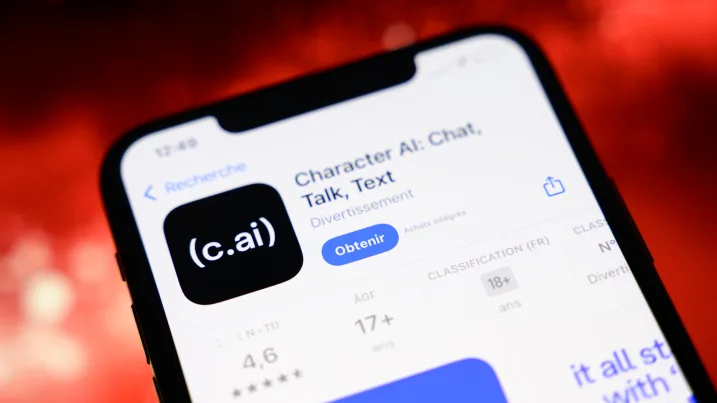
Character.AI, the artificial intelligence startup known for allowing users to create personalised chatbots and interact with virtual characters, has filed for Chapter 11 bankruptcy protection in the United States. The company announced the move on October 12, 2026, saying it would pursue a court-supervised sale after facing significant legal, regulatory and operational challenges. The filing was submitted in the US Bankruptcy Court for the District of Delaware, with the company reporting that its assets and liabilities each fall within the range of $50 million to $100 million. Rather than immediately shutting down its platform, Character.AI intends to use the bankruptcy process to explore offers from potential buyers and determine whether its business can continue operating under new ownership. The company has stated that its services remain available during the process, although its long-term future depends on the outcome of the sale.
One of the most significant developments is Disney’s agreement to make an initial offer of $20 million for a non-exclusive, perpetual licence to certain Character.AI intellectual property. Under the proposed arrangement, Disney would also provide transition support involving some former Character.AI employees who now work for the entertainment company. The offer serves as the initial bid in a court-supervised auction, meaning other interested companies may submit competing proposals. Disney’s interest is particularly notable because the company previously raised copyright concerns over the use of its characters on AI platforms. A licensing arrangement could provide a legal framework for using selected intellectual property, although the proposed deal does not mean Disney is purchasing the entire Character.AI business. The final outcome will depend on the court process and whether a more favourable offer emerges.
The bankruptcy filings have also exposed the company’s financial obligations to major creditors. According to reports based on court documents, Character.AI owes more than $10.6 million to its 20 largest unsecured creditors. Google is owed more than $4 million, while several major law firms are collectively owed millions of dollars for legal services. The company’s financial difficulties reflect the substantial costs involved in operating AI chatbots at scale. Unlike conventional social media services, conversational AI platforms must repeatedly process user messages through computing infrastructure, creating ongoing expenses whenever users interact with their bots. Character.AI has attracted a large user community, but maintaining that activity while managing infrastructure expenses, legal costs and regulatory obligations has proved challenging. The filings provide a clearer picture of the financial pressures behind the company’s decision to seek bankruptcy protection.
Legal disputes have been another major factor affecting Character.AI’s business. The company has faced lawsuits alleging that interactions with its chatbots contributed to harmful outcomes involving young users, including allegations concerning self-harm and suicide. In October 2026, Kentucky’s attorney general brought renewed attention to child-safety concerns by filing allegations that some chatbots had encouraged dangerous behaviour. These claims remain allegations in legal proceedings and should not be treated as findings that have been established by a court. Nevertheless, the cases have increased scrutiny of AI companion platforms, particularly those designed to simulate personal relationships and encourage prolonged conversations. The disputes raise important questions about the responsibilities of developers, the effectiveness of age protections and the safeguards required when AI systems interact with children and vulnerable users.
Character.AI’s bankruptcy marks a significant moment for the consumer AI industry, demonstrating that a popular product and a large user base do not automatically translate into a sustainable business. The company’s future now depends on whether the court-supervised sale attracts a buyer willing to address its financial obligations, legal challenges and operational costs. Disney’s initial offer provides one possible route for licensing some of its technology, but it does not guarantee that the platform itself will survive. Character.AI has said it hopes the sale process will produce a proposal that allows its services to continue; otherwise, it may have to wind down the platform. The process is expected to conclude in late November or early December 2026. Its outcome could influence how other AI companies approach intellectual-property licensing, infrastructure spending and safety obligations as the market for AI companions continues to develop.




