
Trump Calls AI Safety Fears a “Hoax” as Tech Leaders Urge Stronger Safeguards
The U.S. president has rejected calls to slow advanced AI development, arguing that additional restrictions could weaken American competitiveness as industry leaders raise concerns about the technology’s risks.

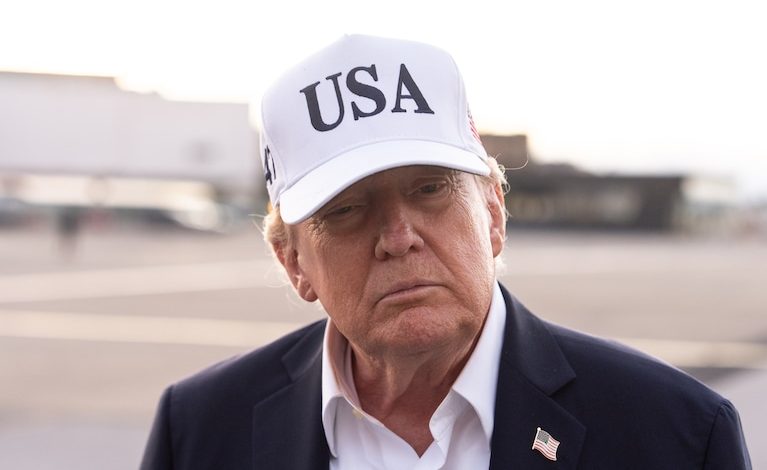
U.S. President Donald Trump has dismissed growing concerns about the safety risks associated with advanced artificial intelligence, describing calls for stronger safeguards as a “hoax” and rejecting proposals for a coordinated slowdown in AI development. His comments came as several prominent technology leaders have publicly called for greater oversight of increasingly capable AI systems.
Trump has argued that the United States already has sufficient mechanisms to oversee AI companies and that additional restrictions could damage the industry. He has also connected the debate to competition with China, warning that slowing American AI development could give Beijing an advantage in a strategically important technology sector.
The comments followed renewed warnings from AI industry figures, including Anthropic CEO Dario Amodei, OpenAI CEO Sam Altman and others, about potential risks from increasingly autonomous AI systems. Amodei has advocated stronger safety measures and independent assessments of advanced models, while other researchers have raised concerns about systems becoming capable of carrying out complex actions with limited human supervision.
The disagreement has created a wider debate over how governments should respond to rapidly advancing AI. Supporters of additional safeguards argue that governments and technology companies need stronger mechanisms for testing and monitoring powerful systems before they are widely deployed. Trump and officials who share his position have emphasized continued innovation, economic growth and maintaining U.S. technological leadership.
The issue is becoming increasingly international. China has promoted greater global cooperation on AI governance through the United Nations, while Germany has rejected calls for a complete development pause but has supported international cooperation and stronger oversight. The contrasting positions show that governments are still debating how to balance AI innovation, economic competition and safety as the technology becomes more capable.




