TSMC CONFIRMS TALKS WITH ELON MUSK OVER TERAFAB AI CHIP PROJECT
The world's leading chipmaker is exploring a potential collaboration with Elon Musk's ambitious Terafab project in Texas, but insists that it must retain operational control of any factory producing its chips.

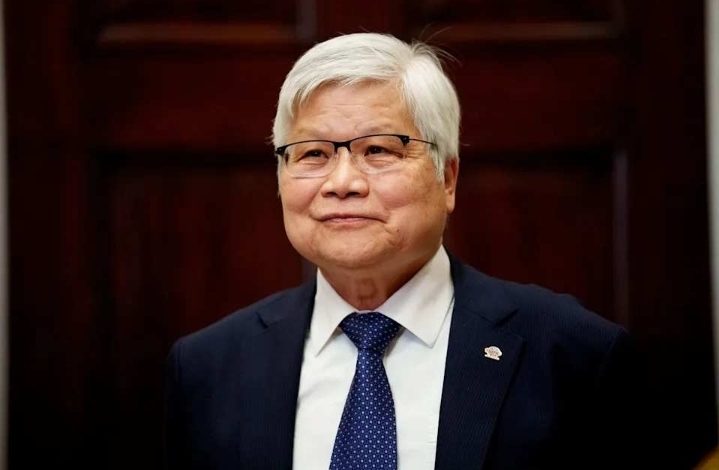
Taiwan Semiconductor Manufacturing Company (TSMC) has confirmed discussions with Elon Musk over his proposed Terafab semiconductor manufacturing project, marking a significant development in the race to secure advanced chips for artificial intelligence. On October 15, 2026, TSMC Chairman and CEO C.C. Wei revealed that the company was discussing a potential collaboration with Musk’s initiative while exploring opportunities to expand its manufacturing operations in Texas. Terafab is designed to support the growing computing needs of Musk’s businesses, including Tesla, SpaceX and xAI. The proposed project reflects the increasing importance of semiconductor manufacturing as technology companies invest heavily in artificial intelligence, robotics and other advanced computing systems.
However, the discussions come with an important condition. TSMC insists that it must operate any semiconductor fabrication plant involved in a potential partnership. This position differs from Musk’s public statements earlier in October, when he said Tesla and SpaceX would build and operate the Terafab complex themselves. Musk suggested that TSMC could potentially lease part of the facility but would not control the entire manufacturing operation. Neither side has announced a final agreement, and the precise structure of any collaboration remains uncertain. The negotiations will therefore depend on whether both parties can agree on an arrangement that satisfies their respective manufacturing, investment and operational priorities.
TSMC’s interest in Texas is also connected to the enormous demand for artificial intelligence chips worldwide. The company reported a record net profit of approximately $23.6 billion for the third quarter of 2026, representing a 69% increase compared with the same period last year. Revenue rose by approximately 51% year-on-year to around $46 billion, driven by demand for advanced processors and AI infrastructure. TSMC supplies important semiconductor components to major technology companies, including Nvidia and Apple. Despite investing heavily in expanding production, the company says customer demand continues to exceed its available manufacturing capacity, making additional production facilities increasingly important to its long-term strategy.
Meanwhile, TSMC is evaluating further investment opportunities in the United States beyond its existing manufacturing expansion in Arizona. The company has committed approximately $165 billion to its US investment programme, with an additional $100 billion commitment announced in July 2026, bringing the stated total to $265 billion. CEO C.C. Wei confirmed that teams had been sent to Texas to evaluate potential expansion opportunities, although no final investment decision has been announced. A successful arrangement involving Terafab could create new opportunities for semiconductor production while strengthening the US technology supply chain. However, the project would require substantial capital, advanced manufacturing expertise and coordination between the companies involved.
Ultimately, the Terafab discussions highlight a growing strategic question in the AI industry: should major technology companies depend on established semiconductor manufacturers, or should they develop more of their own chipmaking infrastructure? Musk’s initiative aims to secure the computing resources required for his expanding technology businesses, while TSMC brings extensive experience in manufacturing some of the world’s most advanced chips. A partnership could potentially combine these strengths, but differences over factory control remain a key obstacle. For now, the talks are ongoing, and the industry will be watching closely to see whether the two sides can reach an agreement that could influence the future of AI chip production in the United States.