FG Begins 48 Solar Mini-Grid Projects to Improve Electricity in 19 Nigerian States

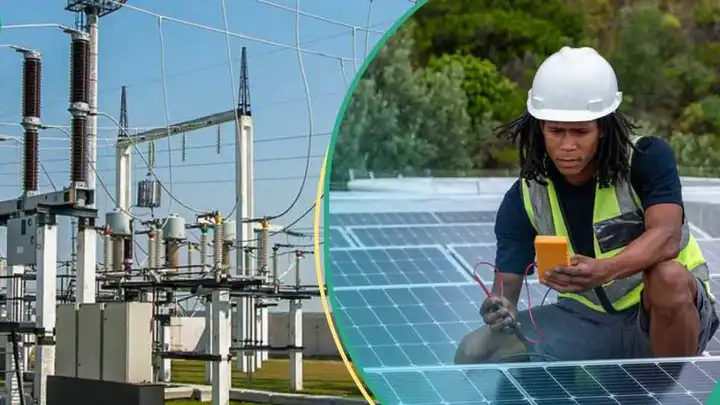
Nigeria is taking another major step towards improving electricity supply, particularly in rural and underserved communities, as the Rural Electrification Agency (REA) has begun constructing 48 interconnected solar mini-grid projects across 19 states. The initiative is expected to provide more reliable power to homes, businesses, schools and healthcare facilities while reducing dependence on expensive petrol and diesel generators.
The projects are being developed under a new regulatory framework introduced by the Nigerian Electricity Regulatory Commission (NERC), which allows larger and more efficient renewable energy systems to be connected to existing electricity distribution networks. According to the Managing Director of the REA, Abba Aliyu, the updated regulations have transformed Nigeria’s off-grid electricity sector from small pilot schemes into commercially viable, utility-scale projects capable of serving far more people.
Previously, interconnected mini-grids were limited to a maximum capacity of one megawatt, restricting the amount of electricity they could generate. Following technical and economic studies presented by the REA, the regulations were revised to allow interconnected mini-grids of up to 10 megawatts, while isolated mini-grids can now generate up to five megawatts. The changes are expected to attract greater private investment and accelerate rural electrification across the country.
The 48 projects are spread across the service areas of 10 electricity distribution companies (DisCos). Once completed, they are expected to provide more than 252,000 new or improved electricity connections, install 213.3 megawatts of solar photovoltaic capacity, and include 166.1 megawatt-hours of battery storage to ensure electricity remains available even when sunlight is unavailable. The programme is also projected to support a peak electricity demand of about 82.5 megawatts.
Beyond expanding electricity access, the REA says the projects will stimulate local economies by creating jobs during construction and operation, encouraging business growth, and providing reliable power for markets, factories, schools and health centres. Stable electricity is also expected to improve education, healthcare delivery and productivity in communities that have struggled with limited or unreliable power for years.
Aliyu explained that Nigeria’s renewable energy industry has also matured significantly. Companies that once worked only as contractors are now developing and managing large-scale renewable energy projects. The REA currently works with more than 150 Renewable Energy Service Companies (RESCOs), many of which are expanding their operations within and beyond Nigeria as the sector continues to grow.
The agency also revealed that it has developed an extensive national database to guide future electrification projects. The database maps more than 700,000 communities, along with hospitals, schools, markets, factories, dams, existing mini-grids and electricity feeders. This information helps determine the most cost-effective solution for each location, whether through grid extension, interconnected mini-grids, isolated mini-grids or standalone solar home systems.
Although Nigeria’s electricity access rate has improved to about 61%, an estimated 80 million people still lack access to electricity, while many connected communities receive only a few hours of power daily. The REA believes expanding interconnected mini-grids will play a critical role in closing this gap, improving energy security and supporting the country’s long-term economic development.
The new mini-grid programme represents one of Nigeria’s most ambitious renewable energy initiatives to date. By combining solar power, battery storage and updated regulations, the government hopes to deliver cleaner, more reliable electricity to millions of Nigerians while strengthening the country’s transition towards a more sustainable and resilient energy system.