Smartphone Chip Shipments Fall as AI Memory Crunch Reshapes the Mobile Industry
Rising demand for AI infrastructure is consuming global memory chip supplies, forcing smartphone manufacturers to cut shipments, raise prices, and rethink production strategies as consumers brace for a more expensive upgrade cycle.

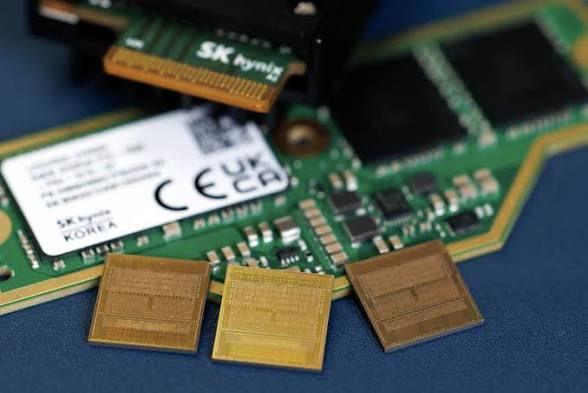
The smartphone industry is entering one of its most challenging periods in years as a growing shortage of memory chips—driven largely by the artificial intelligence boom—continues to disrupt the global supply chain. The same high-performance memory used to power AI data centres is now in such high demand that smartphone manufacturers are struggling to secure enough components for new devices. Industry analysts warn that this imbalance is reducing smartphone shipments, increasing manufacturing costs, and pushing retail prices higher across both premium and budget devices.
At the heart of the issue is the rapid expansion of AI infrastructure. Technology companies are investing hundreds of billions of dollars into AI servers, which require enormous quantities of advanced DRAM and High Bandwidth Memory (HBM). Because memory manufacturers have shifted production capacity toward these more profitable AI products, fewer conventional memory chips are available for smartphones, laptops, and other consumer electronics. This has created a ripple effect throughout the technology industry, where supply is no longer keeping pace with demand.
Market researchers have revised their forecasts significantly. Instead of expecting stable smartphone demand throughout 2026, analysts now anticipate a noticeable decline in global shipments. Device makers are becoming increasingly cautious about production because higher component costs make it more difficult to offer competitively priced smartphones. Shipments represent the number of devices sent to retailers and distributors, and falling shipment figures often indicate weaker market demand or constrained production.
The impact is being felt across nearly every segment of the smartphone market. Budget and mid-range devices are proving especially vulnerable because manufacturers in these categories have less flexibility to absorb rising component costs. Companies that compete primarily on affordability are finding it increasingly difficult to maintain their traditional pricing strategies without sacrificing profit margins.
Premium smartphone manufacturers, meanwhile, have more room to offset rising costs thanks to stronger brand loyalty and higher average selling prices. Even so, analysts believe flagship smartphones are unlikely to escape entirely, with future devices expected to become more expensive as component prices continue climbing. Recent market data suggests that premium brands have remained relatively resilient compared with lower-cost competitors, highlighting the growing divide within the smartphone industry.
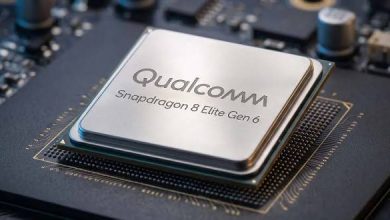
The pressure extends beyond smartphone manufacturers. Chip designers such as Qualcomm have reported weaker performance in their handset businesses as smartphone production slows. The company recently disclosed a significant decline in smartphone-related revenue, attributing much of the weakness to rising memory prices and supply constraints that have reduced demand across the mobile market. At the same time, Qualcomm has announced plans to increase processor prices in response to higher manufacturing costs, a move that could further raise smartphone prices later this year.
To reduce dependence on the smartphone market, several semiconductor companies are accelerating diversification strategies. Instead of relying primarily on mobile processors, they are expanding into automotive electronics, AI accelerators, industrial computing, and data-centre chips. These sectors are experiencing rapid growth and offer stronger long-term opportunities than the increasingly mature smartphone market.
Consumers are expected to feel the effects in multiple ways. New smartphone launches may arrive in smaller quantities, discounts could become less frequent, and manufacturers may delay introducing certain models until component availability improves. Some brands may also choose to extend the life of existing devices by reusing older chip platforms rather than developing entirely new hardware for every product generation.
Another emerging trend is greater emphasis on software optimisation. Instead of relying solely on faster hardware to improve user experience, smartphone companies are investing more heavily in artificial intelligence features that can run efficiently on existing processors. Better battery management, smarter photography, and on-device AI assistants are becoming key selling points as manufacturers attempt to deliver value without dramatically increasing hardware costs.
The current situation also illustrates how interconnected the modern semiconductor industry has become. A surge in demand from one sector—in this case, AI computing—can quickly reshape the economics of entirely different markets. Memory manufacturers naturally prioritise higher-margin products, but this leaves fewer resources available for consumer electronics, creating shortages that spread throughout global supply chains.
Industry observers believe the imbalance could persist for some time. As AI investment continues accelerating worldwide, demand for advanced memory is expected to remain exceptionally strong. Unless manufacturers significantly expand production capacity, smartphone makers may continue facing elevated costs and limited supplies well into the coming years.
For consumers, this likely means that the era of inexpensive annual smartphone upgrades is becoming increasingly difficult to sustain. Buyers may hold onto devices for longer, manufacturers may focus more on durability and software support, and the pace of hardware innovation could slow as the industry adapts to a new reality shaped by AI-driven competition for semiconductor resources.
Ultimately, the decline in smartphone chip shipments reflects a broader transformation occurring across the technology sector. Artificial intelligence is not only creating new opportunities but also reshaping global supply chains, altering corporate investment priorities, and changing the economics of consumer electronics. The smartphone industry now finds itself competing directly with AI infrastructure for the same critical components—a contest that is redefining how future mobile devices are designed, manufactured, priced, and delivered to consumers around the world.