Qualcomm raises chip prices as supply costs climb
Qualcomm hikes Snapdragon prices as rising supplier and memory costs squeeze margins, forcing phone makers to weigh higher retail prices, thinner profits, or product redesigns.

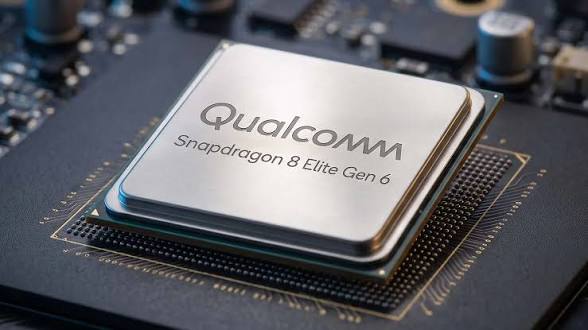
Qualcomm is reportedly raising chip prices by double-digit percentages, with the increase set to apply to products shipped after September 1, 2026. The move comes as the company says it can no longer absorb rising supplier and component costs, and it lands at a moment when the semiconductor industry is already under strain from tight supply and higher memory prices.
For Qualcomm, the decision is more than a simple pricing update. It reflects the pressure companies across the chip sector are facing as costs rise throughout the supply chain. Suppliers have become more expensive, alternative components are harder to secure, and the broader environment has made it increasingly difficult for chipmakers to hold prices steady without squeezing their own margins. Qualcomm’s reported response suggests that the company believes the pressure has become too large to absorb internally.
The timing is important. Qualcomm is one of the most influential suppliers in the smartphone market, especially for premium devices that rely on its Snapdragon chips. When a company like Qualcomm raises prices, the impact rarely stays limited to one balance sheet. Phone makers may face higher input costs, and those costs can eventually flow through to consumers in the form of more expensive devices. In some cases, manufacturers may try to protect retail pricing by cutting elsewhere, such as in camera hardware, battery features, or other components that are less visible to buyers.
This makes the announcement significant not just for Qualcomm, but for the wider mobile ecosystem. Smartphone brands already operate under tight competitive pressure, and chip costs are among the biggest expenses in building a handset. A double-digit price increase on a critical component can force manufacturers to make difficult choices. They can absorb the hit and accept thinner margins, pass the increase along to buyers, or redesign product plans to keep costs under control. None of those options is especially attractive, which is why supplier pricing changes often ripple far beyond the original announcement.
The pressure on Qualcomm also reflects a bigger shift in the tech industry. Semiconductor demand has been distorted by the rapid build-out of AI infrastructure, which has pulled attention, capital, and manufacturing capacity toward data centers and high-performance computing. At the same time, memory costs have remained elevated, adding another layer of strain for hardware makers. When these forces combine, the result is a more expensive environment for nearly every part of the electronics supply chain. Qualcomm’s move appears to be a direct response to that reality rather than an isolated business decision.
There is also a strategic dimension to consider. Qualcomm has been working to diversify beyond its core handset business, with ambitions in automotive, connected devices, and data centers. Those efforts matter because the smartphone market, while still huge, is mature and highly competitive. Higher chip prices may help Qualcomm defend near-term profitability, but they also risk increasing friction with customers who depend on its products. Balancing those tensions will be important if the company wants to keep expanding into new markets while maintaining its dominance in mobile chips.
The market will be watching how customers respond in the months ahead. If handset makers accept the higher costs without pushing back, Qualcomm may gain pricing power across its portfolio. If customers seek alternatives or negotiate harder, the company could face pressure later in the year. The bigger question is whether this price increase marks a temporary adjustment driven by current supply conditions or the start of a longer cycle of higher chip costs across consumer electronics.
For consumers, the takeaway is straightforward. A higher price from Qualcomm does not automatically mean a more expensive phone tomorrow, but it increases the odds that future devices will cost more, especially at the high end. In a market where chip performance is a major selling point, even small changes in component pricing can shape what phones get built, what features are included, and what buyers eventually pay.
Qualcomm is reportedly raising chip prices by double-digit percentages, with the increase set to apply to products shipped after September 1, 2026. The move comes as the company says it can no longer absorb rising supplier and component costs, and it lands at a moment when the semiconductor industry is already under strain from tight supply and higher memory prices.
For Qualcomm, the decision is more than a simple pricing update. It reflects the pressure companies across the chip sector are facing as costs rise throughout the supply chain. Suppliers have become more expensive, alternative components are harder to secure, and the broader environment has made it increasingly difficult for chipmakers to hold prices steady without squeezing their own margins. Qualcomm’s reported response suggests that the company believes the pressure has become too large to absorb internally.
The timing is important. Qualcomm is one of the most influential suppliers in the smartphone market, especially for premium devices that rely on its Snapdragon chips. When a company like Qualcomm raises prices, the impact rarely stays limited to one balance sheet. Phone makers may face higher input costs, and those costs can eventually flow through to consumers in the form of more expensive devices. In some cases, manufacturers may try to protect retail pricing by cutting elsewhere, such as in camera hardware, battery features, or other components that are less visible to buyers.
This makes the announcement significant not just for Qualcomm, but for the wider mobile ecosystem. Smartphone brands already operate under tight competitive pressure, and chip costs are among the biggest expenses in building a handset. A double-digit price increase on a critical component can force manufacturers to make difficult choices. They can absorb the hit and accept thinner margins, pass the increase along to buyers, or redesign product plans to keep costs under control. None of those options is especially attractive, which is why supplier pricing changes often ripple far beyond the original announcement.
The pressure on Qualcomm also reflects a bigger shift in the tech industry. Semiconductor demand has been distorted by the rapid build-out of AI infrastructure, which has pulled attention, capital, and manufacturing capacity toward data centers and high-performance computing. At the same time, memory costs have remained elevated, adding another layer of strain for hardware makers. When these forces combine, the result is a more expensive environment for nearly every part of the electronics supply chain. Qualcomm’s move appears to be a direct response to that reality rather than an isolated business decision.
There is also a strategic dimension to consider. Qualcomm has been working to diversify beyond its core handset business, with ambitions in automotive, connected devices, and data centers. Those efforts matter because the smartphone market, while still huge, is mature and highly competitive. Higher chip prices may help Qualcomm defend near-term profitability, but they also risk increasing friction with customers who depend on its products. Balancing those tensions will be important if the company wants to keep expanding into new markets while maintaining its dominance in mobile chips.
The market will be watching how customers respond in the months ahead. If handset makers accept the higher costs without pushing back, Qualcomm may gain pricing power across its portfolio. If customers seek alternatives or negotiate harder, the company could face pressure later in the year. The bigger question is whether this price increase marks a temporary adjustment driven by current supply conditions or the start of a longer cycle of higher chip costs across consumer electronics.
For consumers, the takeaway is straightforward. A higher price from Qualcomm does not automatically mean a more expensive phone tomorrow, but it increases the odds that future devices will cost more, especially at the high end. In a market where chip performance is a major selling point, even small changes in component pricing can shape what phones get built, what features are included, and what buyers eventually pay.