Tech Giants Hide $2.13 Trillion in AI Debt as Wall Street Questions the Cost of the AI Race
Massive borrowing to fund artificial intelligence infrastructure is raising concerns that the world's biggest technology companies may be taking on more financial risk than investors fully appreciate.

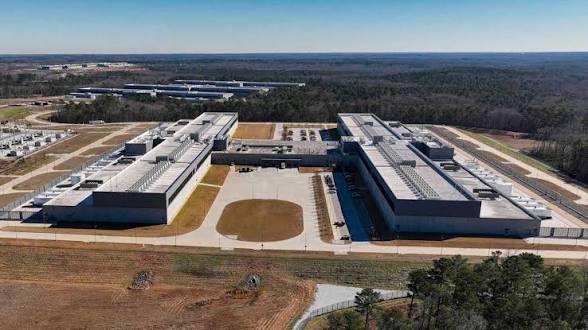
The artificial intelligence boom has transformed the world’s largest technology companies into the biggest spenders in corporate history. From building enormous data centres to purchasing millions of advanced AI chips, firms including Alphabet, Amazon, Microsoft, Meta and Oracle are pouring unprecedented amounts of money into infrastructure designed to power the next generation of AI services. While these investments are expected to shape the future of computing, they are also creating a financial challenge that is becoming increasingly difficult for investors to ignore.
Behind the excitement surrounding AI lies a growing mountain of obligations. Analysts estimate that technology companies have accumulated more than $2.13 trillion in AI-related financial commitments, much of it through debt, long-term financing agreements and future infrastructure investments. Although these firms remain among the most profitable businesses in the world, the pace of spending is beginning to outstrip the cash they generate, forcing many of them to rely more heavily on borrowing to sustain their AI ambitions.
This surge in borrowing has caught the attention of Wall Street’s credit markets. Investors are increasingly purchasing credit default swaps—financial instruments that provide protection if a company fails to repay its debt. The rising cost of these contracts suggests that bond investors are becoming more cautious about the long-term financial impact of AI spending. Even though the probability of default remains relatively low for most of these companies, the growing demand for protection reflects mounting uncertainty about whether AI investments will generate returns quickly enough to justify their enormous costs.
The challenge is especially significant because building AI infrastructure is unlike previous waves of technology investment. Modern AI systems require vast computing clusters, expensive graphics processors, specialised networking equipment and data centres that consume huge amounts of electricity. Individual facilities can cost tens of billions of dollars, while companies continue expanding capacity to meet growing demand for generative AI models and cloud-based AI services. These expenses must often be paid years before meaningful revenue is generated.
Recent financial reports illustrate the pressure. Alphabet recorded a rare period of negative free cash flow after sharply increasing AI-related capital expenditure. Analysts expect similar trends across several major hyperscalers as they continue accelerating investment despite uncertain short-term returns. The industry’s combined capital spending is projected to exceed hundreds of billions of dollars annually, making AI one of the largest corporate investment cycles ever witnessed.
Oracle has emerged as one of the clearest examples of this aggressive strategy. The company announced plans for tens of billions of dollars in additional data-centre investment, prompting increased scrutiny from credit rating agencies and bond investors. Similar concerns are spreading to other technology giants as they compete to secure enough computing capacity to remain competitive in the AI race.
Despite these concerns, many analysts argue that the situation should not be confused with a financial crisis. Unlike many companies during the dot-com bubble, today’s technology leaders generate enormous revenues from established businesses such as cloud computing, software subscriptions, digital advertising and e-commerce. These profitable operations continue to provide substantial cash flows that can help support AI investments over the long term. Investors therefore see the current debate less as a question of whether AI will succeed and more as a question of how long it will take for these massive investments to produce sustainable profits.
The uncertainty has nevertheless changed how financial markets evaluate technology companies. Instead of focusing solely on earnings growth, many institutional investors are paying closer attention to balance sheets, borrowing levels and future cash generation. Credit markets are becoming an increasingly important indicator of confidence in the AI sector, complementing the traditional focus on stock prices and quarterly earnings reports.
For now, the AI boom shows little sign of slowing. Companies continue announcing larger data-centre projects, ordering more advanced chips and committing billions of dollars to expand AI infrastructure worldwide. The central question is no longer whether AI will reshape the technology industry, but whether the financial burden of building that future can be managed without placing excessive strain on corporate balance sheets.
As Wall Street weighs the opportunities against the risks, the world’s biggest technology companies find themselves navigating one of the most expensive investment cycles in modern business history. Success could deliver transformative returns and cement their dominance for years to come. Failure, however, would leave investors questioning whether the race to build AI came at a far greater financial cost than anyone initially anticipated.