Meta Smart Glasses Face Calls for Bans Over Privacy Concerns
Meta’s AI-powered smart glasses are facing growing restrictions in Europe and the UK as concerns rise over discreet recording, facial recognition and the difficulty of obtaining consent.

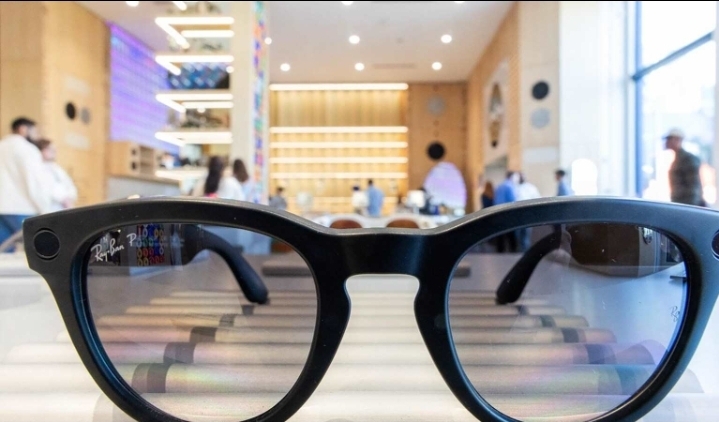
Meta’s AI-powered smart glasses are facing increasing scrutiny as governments, businesses and privacy advocates question how the devices affect people who are recorded without their knowledge. The glasses combine cameras, microphones and AI features in an ordinary-looking eyewear design, making it possible to capture audio and video in everyday environments. Several European countries, including France, Germany and the Netherlands, have been examining potential restrictions over privacy concerns.
The controversy has intensified around facial recognition. Earlier this year, researchers discovered code for an unreleased Meta feature called NameTag, which was designed to identify people seen through the glasses. WIRED reported that the code had been included in Meta’s AI app before Meta subsequently removed most of the system. Meta maintains that the feature had not been released to consumers and says no final decision had been made about deploying it.
Privacy advocates argue that facial recognition through wearable cameras creates a fundamentally different problem from ordinary photography. A person walking through a public space may have no practical way to know that they are being identified, while the wearer could potentially connect someone’s face with additional information. These concerns have already prompted investigations and political pressure, including a Texas attorney general investigation into Meta’s glasses and their handling of recordings and facial information.
The backlash is also spreading to specific venues. In the UK, cinemas are introducing restrictions on camera-equipped smart glasses, citing concerns that the devices could be used to record movies and other copyrighted performances. Courts in England and Wales have also prohibited the use of Meta smart glasses in courtrooms because of unauthorized filming and photography concerns.
Meta has responded by strengthening some of its privacy protections. The company says its glasses include a front-facing capture LED and that newer safeguards can disable the camera if someone attempts to tamper with the recording indicator. Meta also says photos and videos captured to the glasses’ gallery remain private unless the user chooses to transfer or share them.
The controversy highlights a difficult challenge for the emerging AI-glasses industry: making cameras and AI assistants useful without making people feel constantly watched. Meta’s glasses are gaining popularity, but continued bans and privacy concerns could affect public acceptance. As Google, Apple and other technology companies develop competing smart-glasses products, the industry’s ability to establish clear rules around consent, recording and biometric privacy may be just as important as the technology itself.