Goldman Sachs Raises Its Forecast for China’s Economic Growth
Stronger exports and continued policy support are pushing Goldman Sachs to take a more optimistic view of China’s growth outlook despite weakness in domestic demand and the property sector.

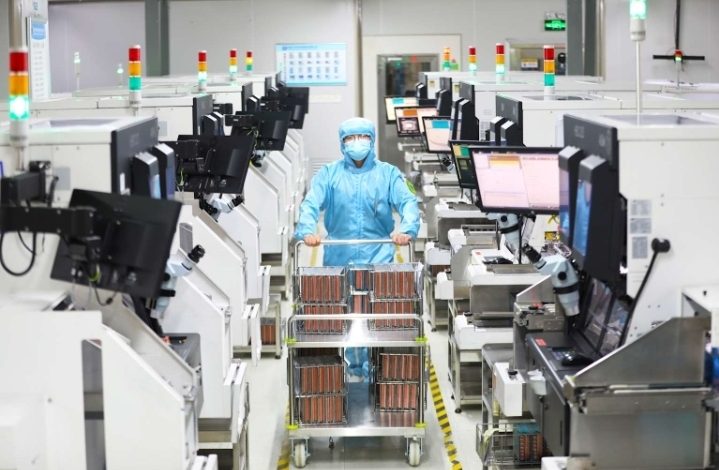
Goldman Sachs has raised its outlook for China’s economy, pointing to stronger-than-expected exports and improving competitiveness in global markets. The bank’s latest projections put real GDP growth at 4.8% in 2026 and 4.7% in 2027, above earlier forecasts and higher than many consensus estimates.
A major reason for the upgrade is China’s export performance. Goldman expects Chinese real exports to grow by roughly 5%–6% annually over the coming years, as manufacturers continue gaining market share in overseas markets. The bank says Chinese companies have demonstrated strong competitiveness across a wide range of products, helping exports remain resilient despite trade tensions and higher tariffs.
However, the outlook is not without risks. China continues to face weak household consumption, labor-market pressure and a prolonged property-market downturn. These factors could limit domestic demand even as exports provide an important source of economic growth. Goldman has argued that transitioning toward an economy driven more heavily by consumption and services will take considerably longer.
Government policy is another important factor. Beijing has continued using fiscal and financial measures to support infrastructure and strategic industries. A new 800 billion yuan ($119 billion) policy-financing program has recently begun accepting project applications, although analysts warn that delays in identifying and approving suitable projects could limit its impact during 2026. Goldman estimates the program could eventually provide a meaningful boost to economic activity.
Goldman Sachs’ forecast therefore presents a mixed picture: China’s economy is expected to grow faster than previously anticipated, but the structure of that growth remains a concern. Strong exports and government support can provide significant momentum, while weak consumption and property-sector problems remain major obstacles. The balance between these forces will be crucial for China’s economic performance through 2026 and 2027.