Scientists Engineer Yeast to Help Create a New Generation of Biotechnology
Researchers are using genetically engineered yeast as programmable biological factories, opening new possibilities for medicine, sustainable manufacturing and environmental applications.

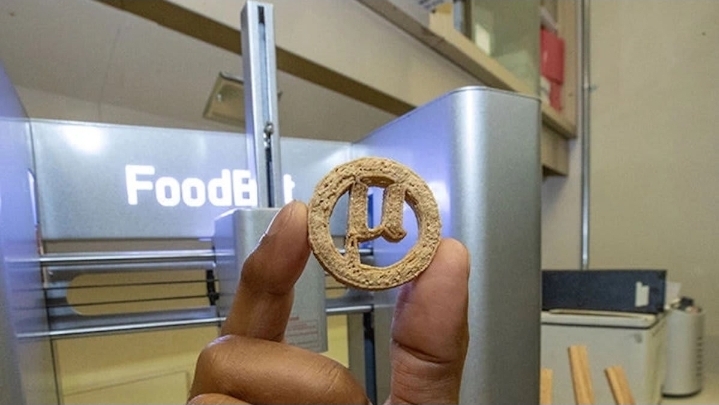
Scientists are increasingly turning to engineered yeast as miniature biological factories capable of producing useful substances that are difficult or expensive to manufacture using conventional methods. Recent research has demonstrated how yeast can be genetically redesigned to perform specialized tasks, including producing valuable molecules, responding to environmental signals and converting waste materials into useful products.
One recent breakthrough from researchers at the National University of Singapore involved engineering baker’s yeast to respond to different colours of light. The researchers developed a system that allows red and blue light to switch specific biological processes on or off, giving scientists much more precise control over what the cells do. The approach could make biological manufacturing more predictable because researchers can control cellular activity without repeatedly adding chemical triggers.
The potential applications are broad. Engineered yeast can be programmed to manufacture compounds used in medicine, industrial chemicals and other biotechnology products. In another recent example, researchers engineered yeast to produce nutrients that honeybees normally obtain from pollen. Colonies receiving the nutrient-enriched diet produced dramatically more young bees in controlled experiments, suggesting that synthetic biology could eventually help address nutritional challenges affecting pollinators.
Researchers are also exploring yeast as a tool for sustainable manufacturing and waste recycling. A recent project programmed yeast to transform PET plastic and agricultural waste into protein-rich materials and flavoring molecules. Such technologies could eventually turn difficult waste streams into useful resources, although substantial research and testing would be required before these approaches could be deployed widely.
The broader significance is that scientists are moving toward a future where microorganisms can be programmed much like biological machines. Instead of relying entirely on traditional chemical factories, researchers can potentially use living cells to manufacture complex products under controlled conditions. While many of these technologies remain at the research stage, advances in synthetic biology and genetic engineering are making yeast an increasingly powerful platform for medicine, manufacturing and environmental innovation.