
Apple Tightens App Store Rules Against AI-Generated Nude Images
Apple has strengthened its App Store review guidelines to target AI-powered applications that create non-consensual intimate images, while warning developers that apps using deceptive approval tactics could be removed.

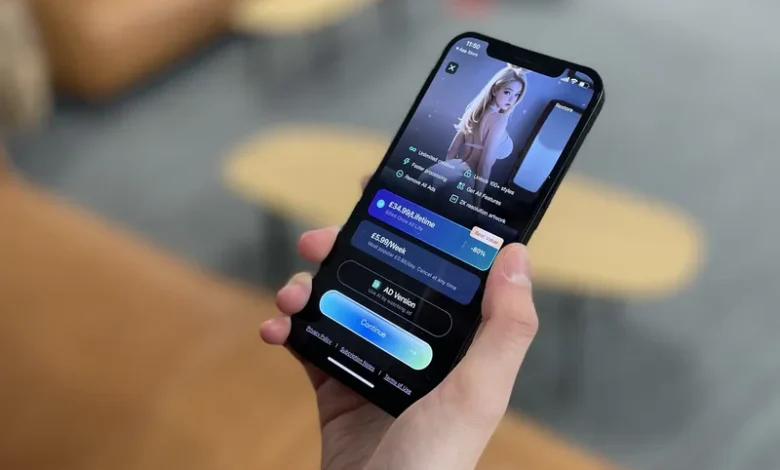
Apple has tightened its App Store rules to address the growing misuse of artificial intelligence to generate sexually explicit images of real people without their consent. Announced on October 16, 2026, the updated guidelines explicitly target so-called “nudification” applications, which use AI tools to digitally remove clothing from photographs or create fabricated intimate images. Although Apple already prohibited pornography and sexually explicit content under its existing policies, the revised rules clarify that this prohibition also covers apps designed to generate non-consensual sexual imagery. The company said the changes are intended to strengthen user safety and ensure developers take responsibility for preventing harmful content from appearing on their platforms. The update comes amid growing international concern about AI-generated deepfakes and their potential to facilitate harassment, exploitation and abuse.
Under the revised guidelines, developers operating applications that host user-generated content must implement appropriate safeguards to identify and remove objectionable material. They must also provide mechanisms that allow users to report abusive content and block accounts responsible for misconduct. Apple has warned that developers who fail to introduce adequate protections or ignore violations after receiving notification could face removal of their applications from the App Store. The policy places greater emphasis on proactive moderation rather than relying entirely on complaints after harmful material has already circulated. This is particularly relevant to AI applications because image-generation tools can produce realistic-looking material quickly and at scale, making it difficult for victims to contain the spread of fabricated intimate images once they have been shared online.
Another major change concerns a practice known as “bait-and-switch,” in which developers submit an application for approval with apparently acceptable features but later introduce prohibited capabilities. Apple has clarified that hidden or undocumented features that enable harmful activities are not permitted. For example, an application could not legitimately obtain approval as an ordinary photo editor and subsequently introduce an AI feature designed to generate sexualised images of identifiable people without consent. Apple says it can remove applications that misrepresent their purpose during the review process and terminate the developer accounts responsible for serious violations. The clarification is intended to prevent developers from using misleading descriptions or delayed feature releases to bypass the company’s safeguards.
The policy changes follow criticism of AI services that have been used to create sexualised images of real people, including cases involving the Grok chatbot associated with Elon Musk’s company, xAI. Reports about the generation of non-consensual intimate images prompted public concern and increased pressure on technology companies to strengthen their safeguards. Apple had previously raised concerns about such content and warned that applications could face removal if developers failed to address violations. The latest guidelines formalise and clarify the rules developers must follow. The controversy has also renewed debate about the responsibilities of AI companies, social media platforms and app stores when their technologies can be used to produce harmful material.
Apple has also reinforced its position on applications that facilitate human trafficking or the exploitation of children. The updated guidelines state that apps found to facilitate these activities will be removed from the App Store and blocked from alternative distribution where the relevant Apple rules apply. The move reflects a wider effort to ensure that applications distributed through Apple’s ecosystem comply with its safety requirements, including when distribution occurs outside the traditional App Store. However, enforcement will depend on identifying violations, assessing evidence and taking action against developers who fail to comply. The revised rules do not eliminate the wider problem of AI-generated abuse across the internet, but they give Apple a clearer policy basis for acting against applications that enable or distribute prohibited material.
The changes represent another step in the technology industry’s response to the risks associated with increasingly capable AI image-generation tools. Apple’s updated policies may encourage developers to invest more heavily in content moderation, consent protections and safeguards against deceptive use. At the same time, the effectiveness of the rules will depend on how consistently they are enforced and how quickly harmful applications are identified. AI-generated intimate images can cause serious damage to victims’ privacy, reputation and wellbeing, even when the images are fabricated. By strengthening its review requirements and warning that serious violations can lead to removal, Apple is seeking to make developers more accountable for how their applications are used. The company has made its expectations clearer, but preventing the misuse of AI will continue to require cooperation among technology providers, regulators and law-enforcement agencies.




