Big Tech’s AI Buildout Drives a Surge in Carbon Emissions
Massive data-center expansion by Microsoft, Amazon and Google is pushing their combined emissions higher as the AI infrastructure race accelerates.

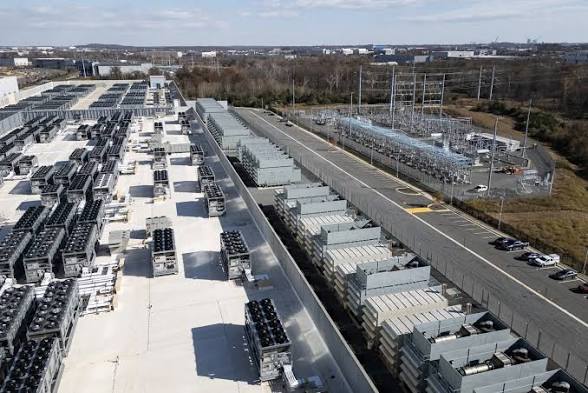
The rapid expansion of artificial intelligence infrastructure is creating a new environmental challenge for the world’s biggest technology companies. Microsoft, Amazon and Google collectively produced about 119 million metric tons of carbon-dioxide equivalent in their latest reporting year, nearly one-fifth more than the previous year. The increase is closely connected to the enormous expansion of data-center infrastructure required to train and operate increasingly powerful AI systems.
Microsoft reported a 25% increase in emissions to around 20 million metric tons, attributing the rise primarily to the expansion of its data-center infrastructure. Google reported an 18% increase, while Amazon’s overall emissions climbed about 16%, with its supply-chain emissions increasing even more sharply. Much of this growth comes from construction, manufacturing and energy requirements associated with the global expansion of cloud and AI infrastructure.
The scale of the AI investment is enormous. The world’s largest technology companies are on track to spend hundreds of billions of dollars this year on data centers, advanced processors, networking equipment and energy infrastructure. One estimate puts combined spending by major hyperscalers at roughly $765 billion, with AI accounting for a major share of that investment. The industry is effectively building a new layer of digital infrastructure to support the growing demand for AI models and services.
Energy is becoming one of the most important constraints in this expansion. AI data centers require enormous amounts of electricity not only to operate processors but also to cool them and maintain reliable operations. As more facilities are proposed, utilities and governments are increasingly being forced to consider whether existing power grids can accommodate the additional demand. At the same time, technology companies are investing in renewable energy and other measures intended to reduce the environmental impact of their expanding infrastructure.
The emissions increase highlights a fundamental challenge for the AI industry: building smarter technology requires a huge physical infrastructure footprint. AI companies are pursuing more efficient chips, cleaner electricity, improved cooling and renewable-energy projects, but demand for computing continues to rise rapidly. As the AI buildout enters its next stage, the industry’s ability to balance technological growth with energy consumption and emissions could become just as important as advances in AI itself.