HP, Asus and Acer Turn to Chinese DRAM as Global Memory Shortage Deepens
PC makers are reportedly adopting more Chinese-made memory as soaring DRAM prices and tight supplies force manufacturers to diversify their component sources.

HP, Asus and Acer are reportedly increasing their use of Chinese-made DRAM as the global memory shortage continues to put pressure on PC manufacturers. The shift comes as demand from artificial intelligence data centers absorbs a growing share of global memory production, leaving conventional DRAM supplies tighter and more expensive for computers and other consumer electronics. The move reflects a broader effort by hardware manufacturers to find additional suppliers and reduce their exposure to increasingly constrained memory markets.
The pressure has intensified as major memory manufacturers prioritize higher-value products such as High Bandwidth Memory (HBM) for AI accelerators. Companies including Samsung, SK hynix and Micron are investing heavily in advanced memory production, but the rapid expansion of AI infrastructure has created a supply-demand imbalance across the wider DRAM market. PC manufacturers are consequently facing higher component costs at a time when they are already dealing with intense competition and uncertain consumer demand.
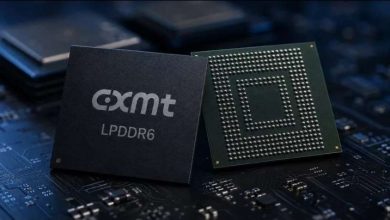
Chinese memory producers are attempting to fill part of that gap. Companies such as CXMT (ChangXin Memory Technologies) have expanded their DRAM capabilities and are increasingly targeting applications beyond China’s domestic market. Their growing presence gives PC manufacturers another potential source of memory chips, particularly for mainstream computing products where the latest generations of advanced memory are not always required. However, quality, production scale, qualification requirements and geopolitical considerations remain important factors before suppliers can be adopted broadly.
For HP, Asus and Acer, using Chinese DRAM could therefore provide greater flexibility in managing component shortages and costs. PC manufacturers typically qualify multiple memory suppliers so they can adjust purchasing when availability or pricing changes. If Chinese suppliers can consistently meet the required performance and reliability standards, their growing participation could introduce additional competition into the memory market and reduce some pressure on traditional suppliers.
The development also illustrates how the AI boom is reshaping the entire semiconductor supply chain. The competition is no longer limited to securing advanced AI processors; companies must also secure memory, networking equipment, power and data-center capacity. As AI infrastructure continues consuming enormous quantities of DRAM and HBM, PC manufacturers are increasingly being forced to explore alternative sources. The growing adoption of Chinese memory could therefore become an important development in the global semiconductor industry, particularly as manufacturers seek ways to keep computer prices and production schedules under control.