CXMT Eyes Second Beijing DRAM Plant to Expand China’s Memory Chip Ambitions
China's leading DRAM maker plans another major factory as AI-driven demand and government support fuel rapid semiconductor expansion.

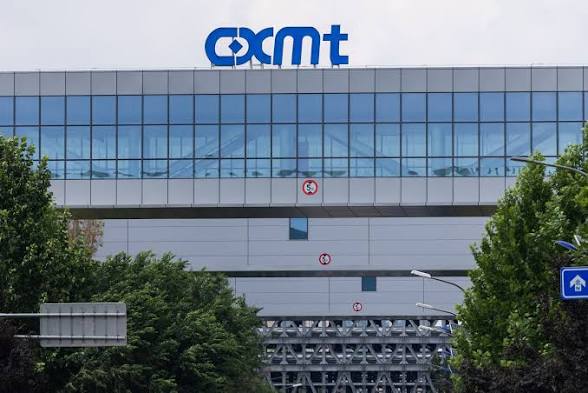
China’s largest DRAM manufacturer, ChangXin Memory Technologies (CXMT), is reportedly planning to build a second 12-inch memory chip fabrication plant in Beijing as part of its aggressive expansion strategy. According to reports, the company is in the early stages of discussions with local authorities and state-backed technology investors to secure funding for the project. The proposed facility would be located in Beijing’s Yizhuang Economic-Technological Development Area, where CXMT already operates one of its existing DRAM manufacturing plants. The expansion comes as global demand for memory chips continues to surge, driven largely by the rapid growth of artificial intelligence infrastructure and data centers.
The new factory would significantly strengthen CXMT’s manufacturing capabilities and support China’s broader goal of achieving greater self-sufficiency in semiconductor production. The company currently operates three DRAM fabrication plants—two in Hefei and one in Beijing—with each capable of producing around 100,000 wafers per month. Alongside new facilities already under construction in Shanghai and Hefei, the additional Beijing plant could more than double CXMT’s total production capacity over the coming years, allowing the company to better compete in the global memory market.
CXMT’s expansion follows its record-breaking initial public offering, which raised approximately $8.6 billion, providing the company with substantial financial resources to accelerate growth. Reports indicate the chipmaker is also seeking additional support from the Beijing Economic-Technological Development Area and other state-owned investment groups. The strategy reflects China’s continued investment in building a competitive domestic semiconductor industry despite ongoing U.S. export restrictions on advanced chip technologies and manufacturing equipment.
Although CXMT remains much smaller than global memory leaders such as Samsung, SK hynix, and Micron, its growth has been remarkably rapid. The company has steadily increased production of DDR4, DDR5, and LPDDR memory chips while improving manufacturing processes and expanding its customer base. Industry analysts believe the planned factory will primarily serve China’s domestic demand, particularly as AI servers, cloud computing platforms, and consumer electronics require increasing amounts of high-performance memory. A stronger domestic supply could also help reduce China’s dependence on imported memory chips over time.
The planned Beijing expansion highlights the intensifying global race to secure semiconductor manufacturing capacity as AI transforms the technology industry. Memory chips have become one of the most critical components for AI systems, leading manufacturers around the world to invest billions of dollars in new production facilities. If completed, CXMT’s second Beijing fab would further strengthen China’s position in the global semiconductor landscape while increasing competition for established memory chip manufacturers. As demand for AI hardware continues to outpace supply, investments like these are expected to play a crucial role in shaping the future of the global memory market.