
Democratic Sweep Lifts Emerging Market Hopes but Sends Asian Chip Stocks Lower
A weaker US dollar and falling oil prices support developing economies, while concerns over AI regulations trigger losses across Asian semiconductor markets.

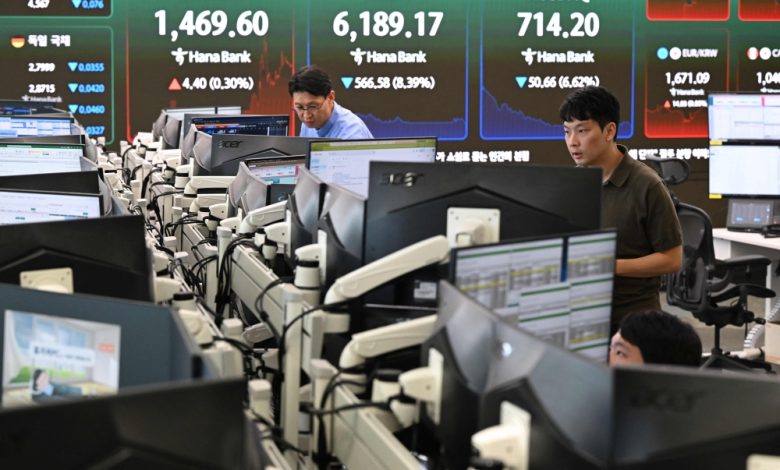
Emerging markets received a boost following the Democratic Party’s sweeping victory in the 2026 United States midterm elections, as investors responded to a weaker US dollar, declining Treasury yields and expectations of reduced geopolitical tensions. The MSCI Emerging Markets stock index recovered from earlier losses to gain 0.4 per cent on Wednesday, November 4, while its currency index advanced 0.8 per cent. The developments encouraged renewed interest in developing economies as investors assessed the potential impact of changing US political priorities.
The weaker dollar provided additional support for emerging-market currencies and financial assets. China’s Shanghai Composite Index climbed 2.2 per cent, while the Mexican peso recorded its strongest daily gain since April. Investors also welcomed falling US Treasury yields, which could reduce borrowing pressures for countries and companies with dollar-denominated debts. Meanwhile, expectations that the Democratic-controlled Congress could limit further escalation of the US-Iran conflict contributed to declining oil prices, offering potential relief to energy-importing economies.
However, the positive sentiment was not shared across Asia’s technology sector. South Korea’s KOSPI plunged more than 5 per cent, while Taiwan’s benchmark stock index also recorded significant losses as foreign investors reduced their exposure to semiconductor companies. Major chipmakers, including Samsung Electronics and SK Hynix, faced selling pressure amid concerns that Democratic lawmakers could introduce stricter oversight of artificial intelligence infrastructure and data centre construction. The possibility of tighter regulations has raised questions about the pace of future investment in AI-related hardware and facilities.
Despite the market reaction, analysts caution that the political shift will not automatically reverse existing US trade policies or bring an immediate end to the conflict with Iran. President Donald Trump retains significant executive powers, meaning major policy changes could face political and legal obstacles. Nevertheless, lower oil prices, a softer dollar and reduced geopolitical uncertainty could create opportunities for emerging economies. Investors will now monitor developments in Washington and global commodity markets to determine whether the recent recovery can be sustained.




